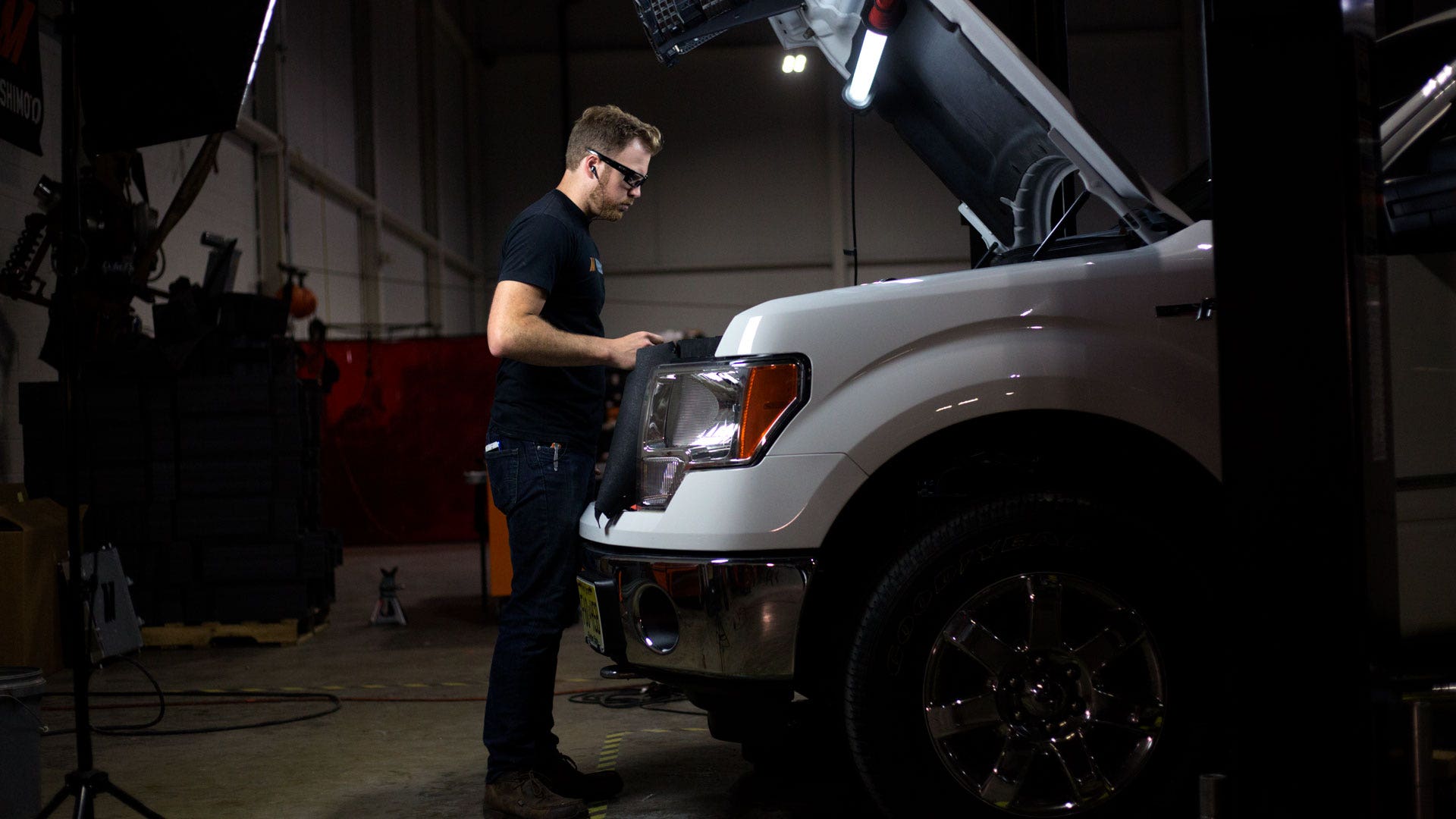

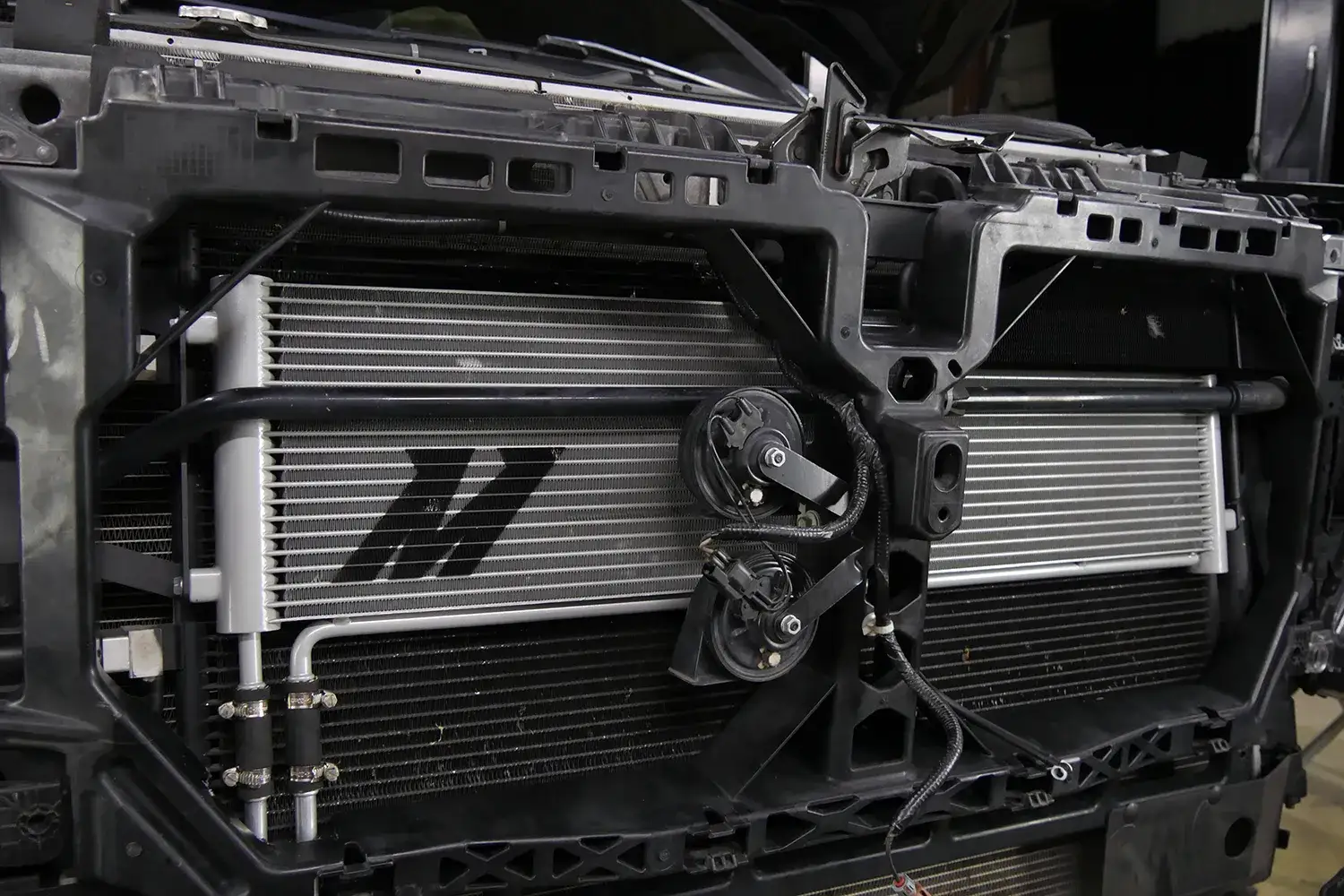
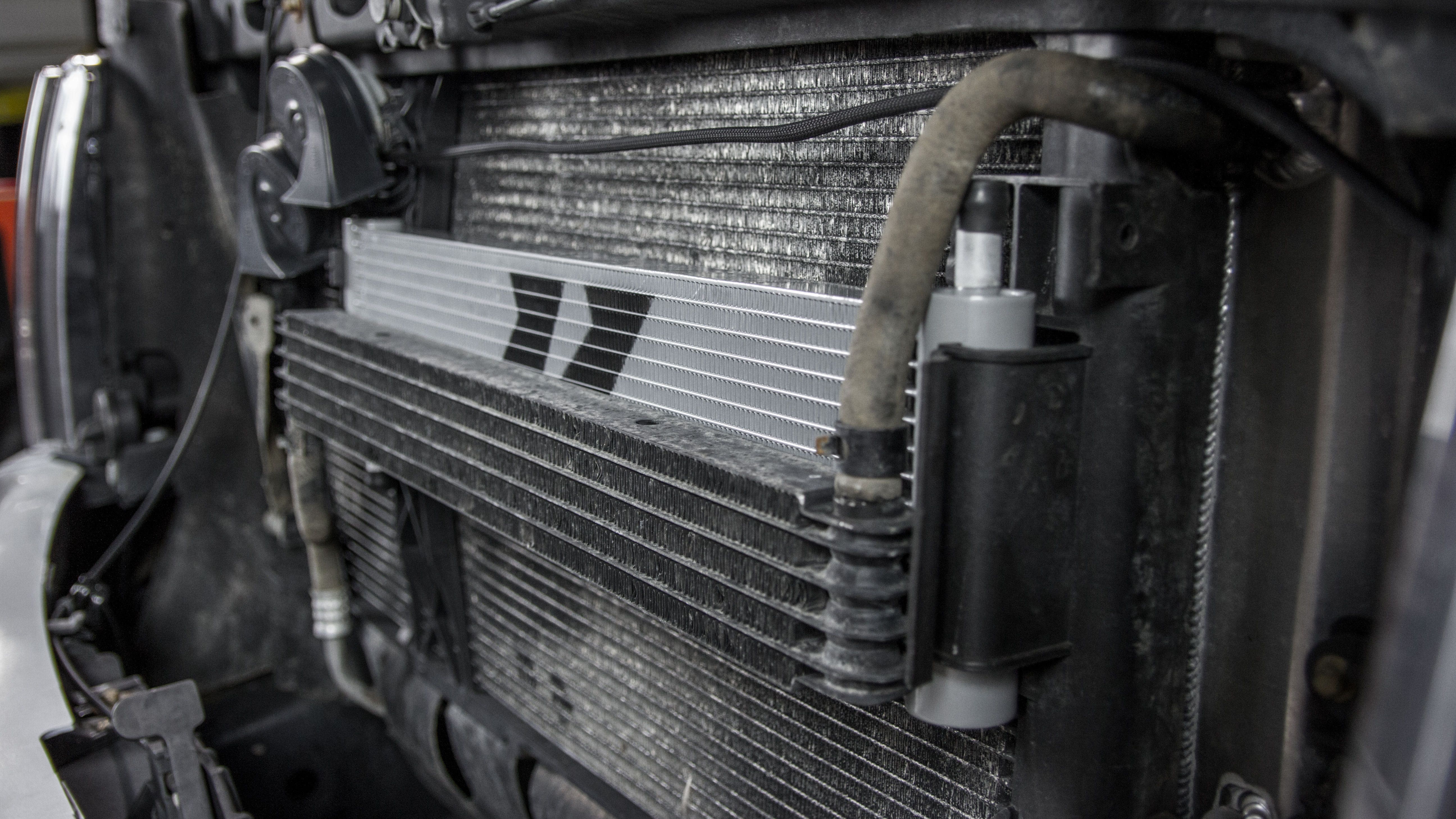
After months of measuring, modeling, designing and prototyping, the time has finally come to put our 2011-2014 Ford F-150 and 2010-2014 Ford Raptor transmission cooler to the test and hopefully put your F-150 in capable hands.
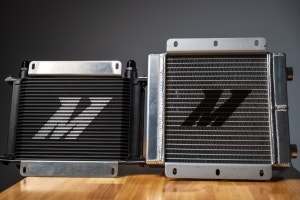
Our last post for this transmission cooler ended with a successful test fit of our 3D printed prototype and a decision to be made. We had two options for our transmission cooler's core: tube and fin, or stacked plate. Each option has its advantages and disadvantages. Tube-and-fin coolers flow and cool well but aren't quite as durable as stacked-plate coolers. Stacked-plate coolers are tough and reliable, but their internal tube structure can severely restrict flow. Depending on the size and shape of the cooler, where it's located, and how the system operates, each has its place. We won't know how each performs for this cooler until we test them.
Since creating our prototype for the 2011-2014 F-150 transmission cooler, we've also been wrapping up development on our
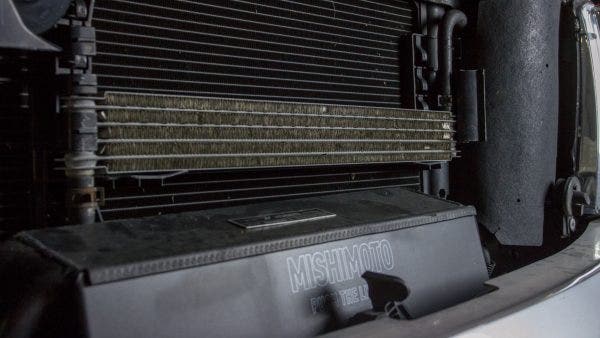
The key to great engineering is often making the most of what you're given"using the resources available to you in the most efficient way possible. When we last talked about the 2011-2014 F-150 transmission cooler, we noted that Ford's engineers left a lot on the table. Behind the grille of the F-150 lays a transmission cooler that's only using about half of the resources given to it. But we're not about to let that extra space go to waste. In this post, our engineer will leverage simplicity and creativity to make the most of what the 2011-2014 F-150 has to give.
Our design process for this transmission cooler followed the same path it does for most of our products. We started by analyzing the stock trans cooler, some of which you saw in the last post. Aside from noting the overall design of the stock cooler, our engineer also took specific measurements of the surrounding parts for a comprehensive view of where we could improve on the stock design. Many of our measurements focused on
When most people imagine a truck built for towing, they probably imagine a huge, lifted diesel billowing black smoke out of the exhaust. But, it doesn't take a behemoth to tow, just ask anybody who owns a 2011-2014 F-150 with a tow package.
While the F-150 is one of the smallest trucks on the road today, it's also one of the most capable. We've said it in almost every F-150 post on our blog because it's true: The F-150 is at home anywhere from the work site to the grocery store. Select the appropriate combination of engine, cab, gearing and tow package, and the F-150 can tow up to about 11,000 pounds. That's a lot of groceries.
Towing that kind of weight requires a little more cooling than the standard F-150 can offer. That's why Ford's available tow packages equip the truck with an upgraded radiator and auxiliary transmission oil cooler. Without the added cooling capacity provided by that radiator and transmission cooler, the base F-150 would be hard-pressed to tow even half of that 11,000