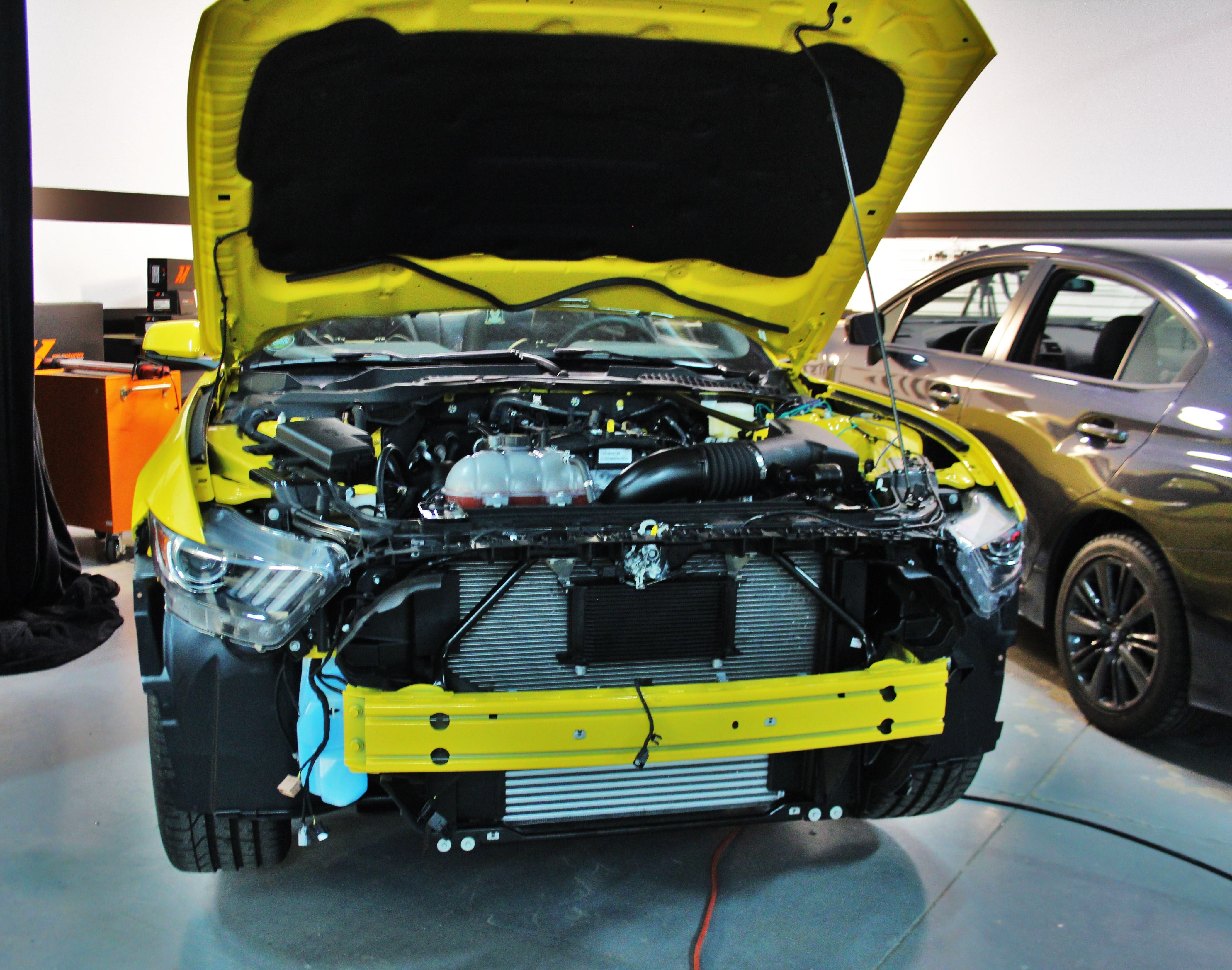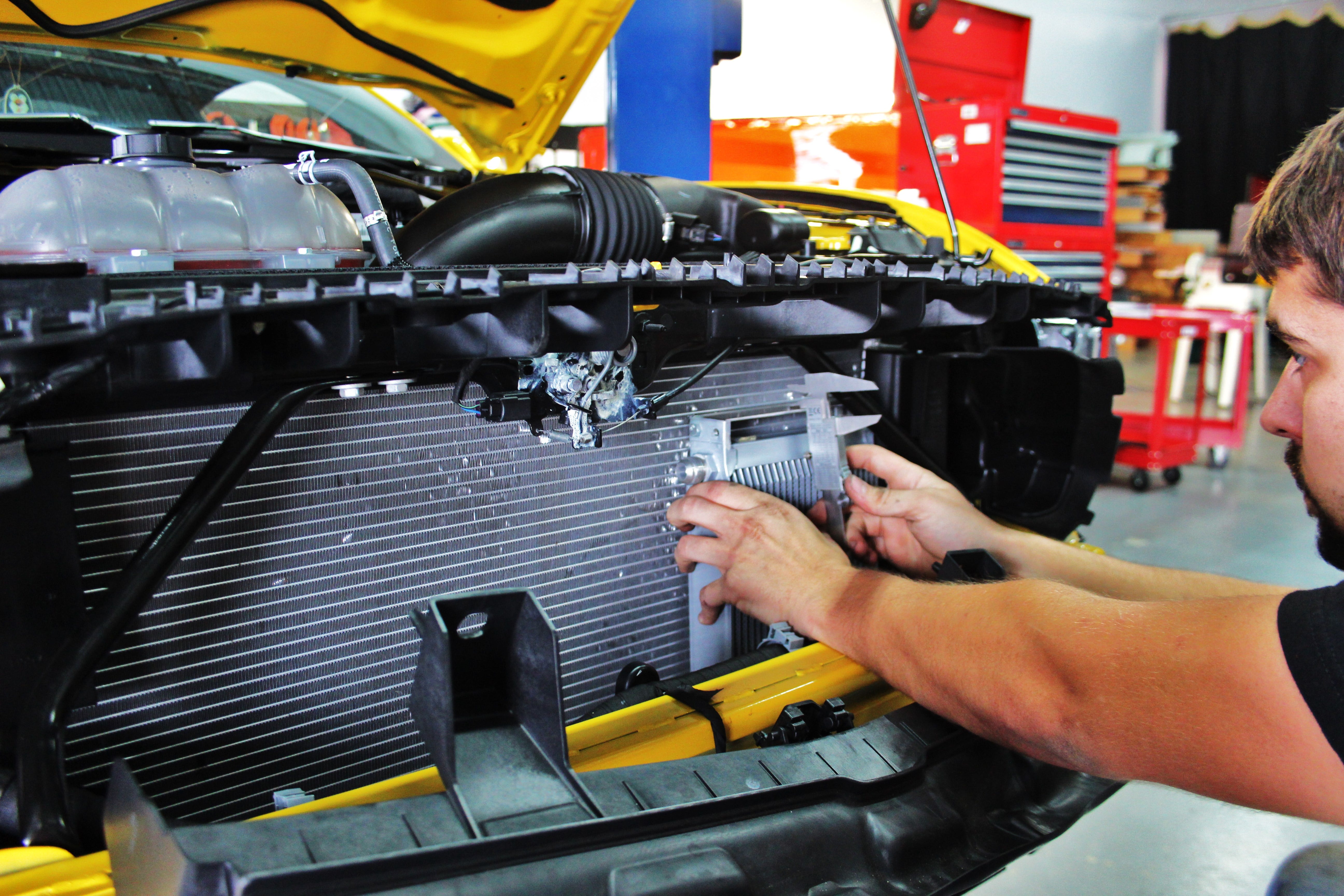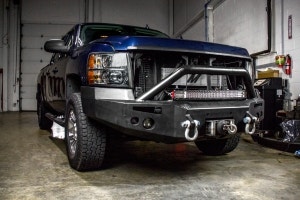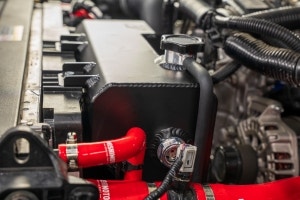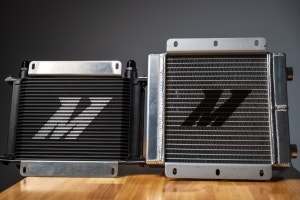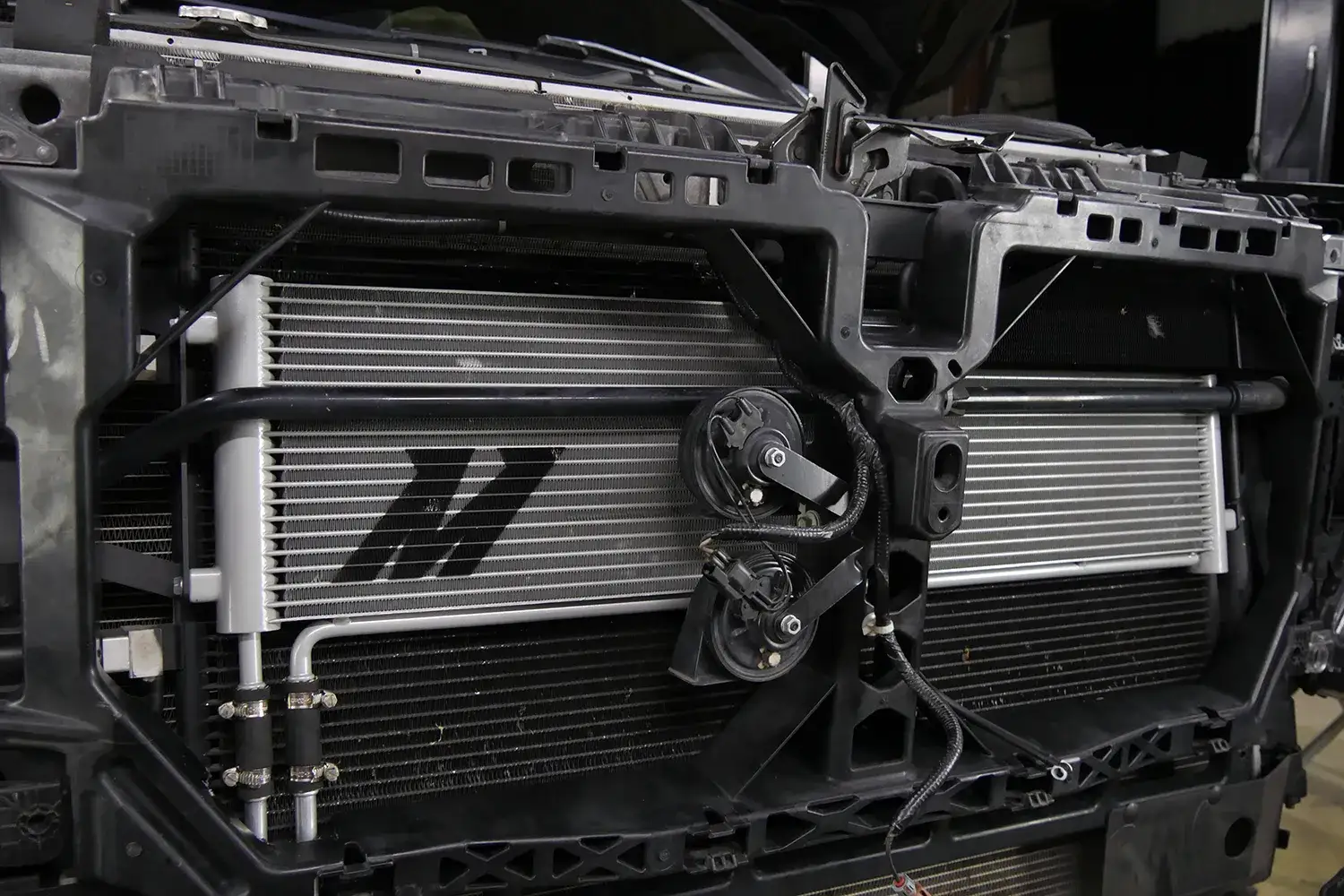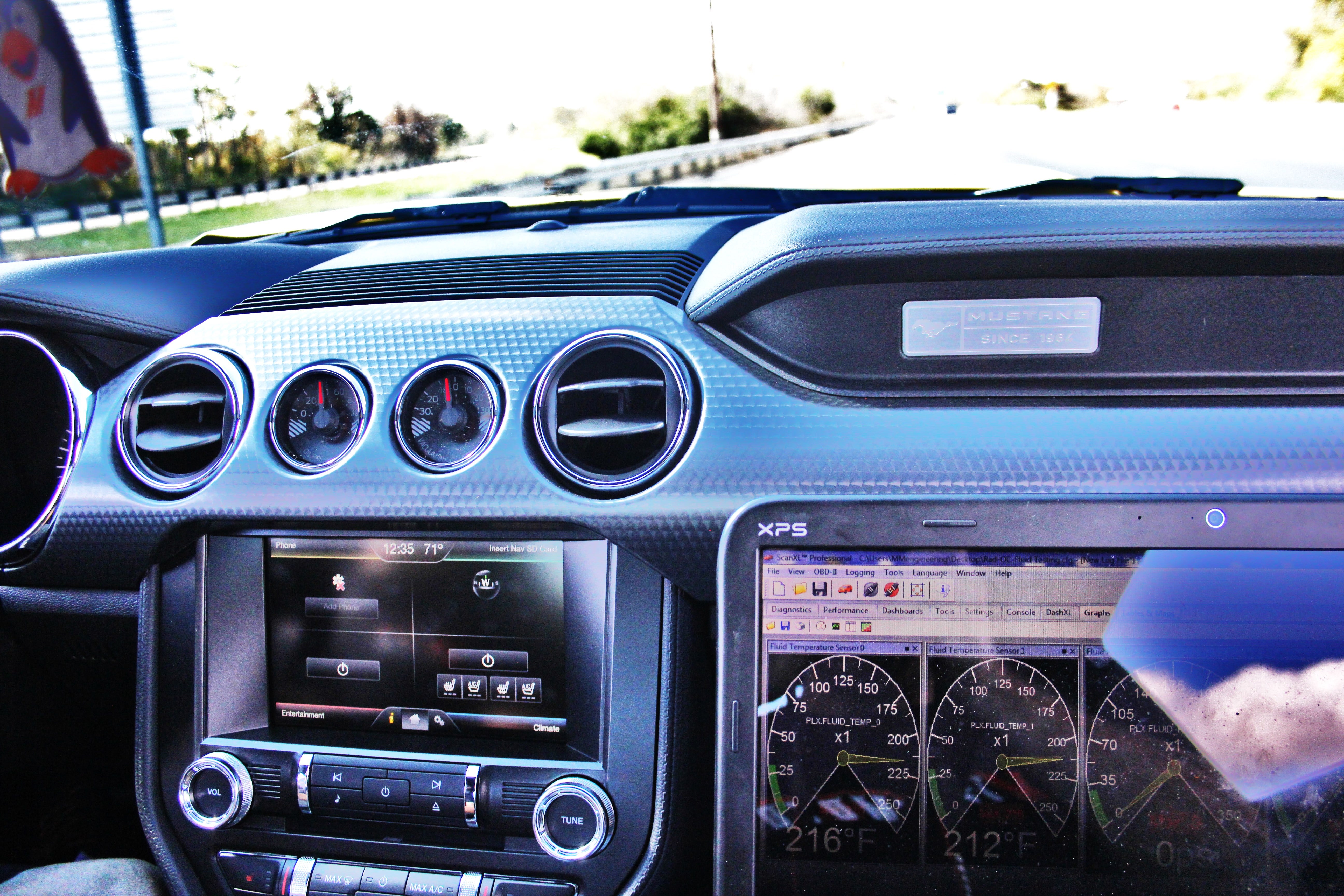
Time for the fun part: product testing! Once we had the brackets mocked up, our lines in place, and our sandwich plate installed, it was time to install our sensors to collect data. We would be collecting both temperature and pressure data for the stock setup and for our installed kit. Check out a shot of our testing sensors installed!
If you’ve faced a winter or two with your diesel truck, you are probably aware of the challenges that lie ahead for this coming season. Proper vehicle preparation is key to reducing vehicle downtime and making sure your truck survives low temperatures. Although modern trucks are well set up from the factory for cold climates, there are always preventive measures that will make your life a bit easier when the temperature drops. Our team has prepared an in-depth checklist, with the goal that your truck makes it to spring without incurring too much wear.
This is an in-depth article, so we have included a table of contents. Each title will link you to the appropriate section. Thanks for taking a look at our article!
Thank you for joining us for Part 2 of our oil cooler development for the Ford Mustang 2.3L EcoBoost! Last time, we designed our first prototype and evaluated potential pitfalls. We are now prepared to develop a second design, with airflow as our primary target for improvement over the previous mounting position.
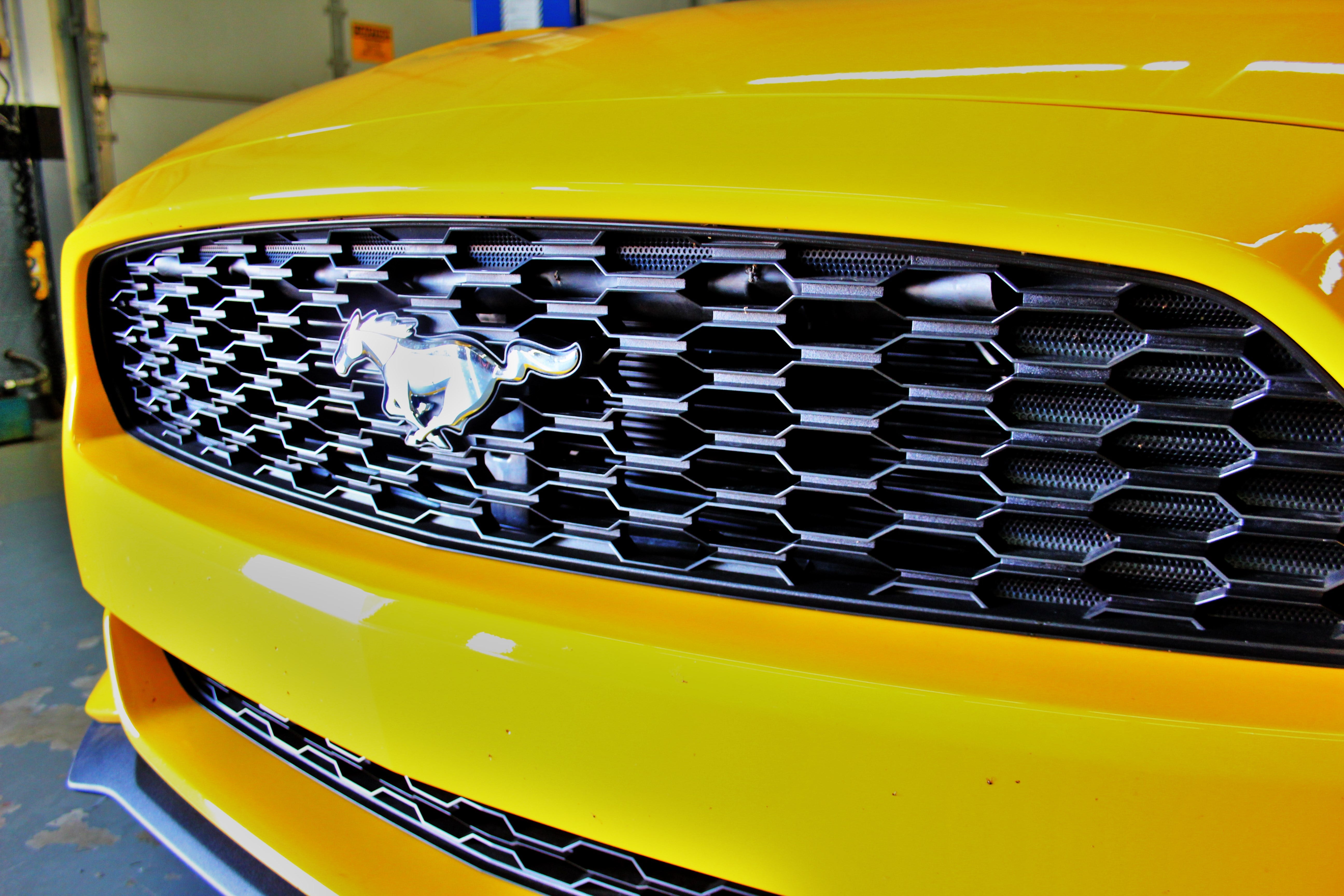
This time, we would be positioning the cooler in the center of the grille, in a horizontal orientation. This would ensure that the entire core is exposed to airflow during vehicle motion. Steve, the lead engineer for this project, grabbed some measurements from the vehicle, and began designing a few brackets in 3D. Using these dimensions, the templates were printed so we could fabricate
Welcome back to the build of our BRZ/FR-S catch can system! After laying out the guidelines from the last post, we were ready to get some hands on the vehicle and start piecing together some can brackets. Before jumping into product design, we will quickly cover the unique injection system featured on the BRZ/FR-S FA20 engine.
FA20 Fuel Injection
As many of you are aware, the FA20 is not what you could consider a traditional direct-injection engine. This specific system is identified as D-4S on the top of your intake manifold. The system utilizes four direct injectors and four port injectors for appropriate fueling. Yes, your 4-cylinder has eight injectors! The direct injection portion of the system
Many of you have been following the video review series our team put together for our 2015 Ford Mustang EcoBoost PP. We were extremely excited to get this new vehicle into our shop to begin evaluating it for new product development. We searched for potential faults and areas where we thought additional cooling might be necessary. In one of our more recent videos, we highlighted some of the development taking place
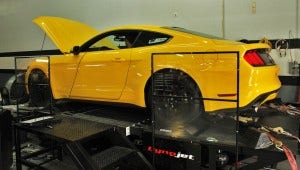
The fun part of development is the reveal of our initial prototype design, but the truly exciting part is the testing portion of development. At this point our offices are disrupted by noise from the dyno pulls, tempting a few of our empolyees to filter into the garage and check out the action. Below we see the truck loaded onto the dyno.
So, let’s talk boots! No, were not talking about Red Wings, steel toes, or Timberlands. This article is about ensuring that your charge-air cooler boots remain intact and in place to keep your car or truck on the road and out of the garage. So what’s the big deal? You clamp the boot down, and if it blows off you clamp it a bit tighter. While this might be a quick solution, that boot blowout is likely to occur again unless you address the issue properly. If you have a modified car or truck that produces an absurd amount of boost, pay close attention to this article for tips about selecting the right products for the job and creating a reliable system. No one wants to be left on the side of the road in frigid weather when a cheap boot decides to commit suicide. Okay, let’s jump right in!
Charge-Air Cooler Basics
This section is for those who are completely new to turbocharged vehicles. If you have a basic understanding of the intercooler
We have a few really neat updates on the progress of our 2015 Ford Mustang Ecoboost! First, we cover the brand new independent rear suspension on our 2015 model. This includes identification of major components, as well as comparisons between a base model and the Performance Package! Check it out!
Our next video highlights one of the awesome components our team has been working to develop/test for the past few weeks, a direct-fit oil cooler kit specifically for the EcoBoost! We saw really impressive fluid temperature decreases with this kit, and we are preparing to release this unit in around 4-6 weeks. Check out the video below for more details on our development!
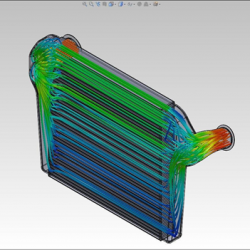
Finally, the results are in! The testing of our 2010-2012 Cummins Performance Intercooler is complete. After months of development and weeks of testing, our team was extremely excited to crunch the numbers to see how our cooler compared to the stock unit. Before we jump into the actual data pulled from our dyno pulls, we will first compare the physical attributes of the Mishimoto cooler to the stock unit.
Intercooler Physical Comparison
First, our comparison of overall thicknesses of the stock and Mishimoto cores. This difference was displayed in an earlier post where we showed the actual measurements.
Time to see if this massive intercooler fits! Our prototype design was based on critical dimensions taken from a test vehicle so we could expand the cooler as much as possible without causing fitment concerns. Let's see if we succeeded on our first attempt!
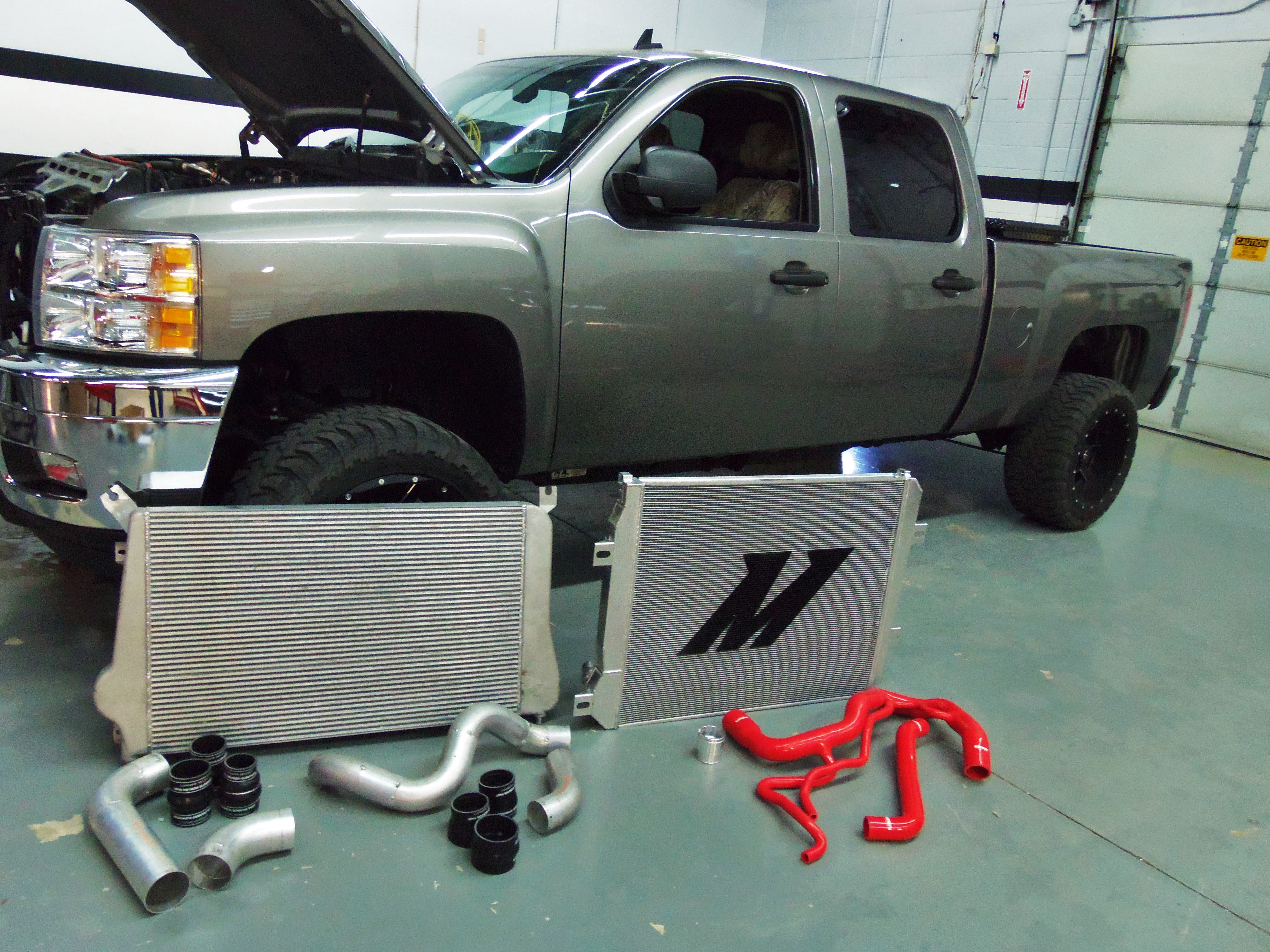
The radiator and intercooler are thicker than the factory units, so we bolted the intercooler prototype to the new Mishimoto radiator prototype. Now attached to each other, we installed them together for the benefit of those customers who would want to purchase both components.