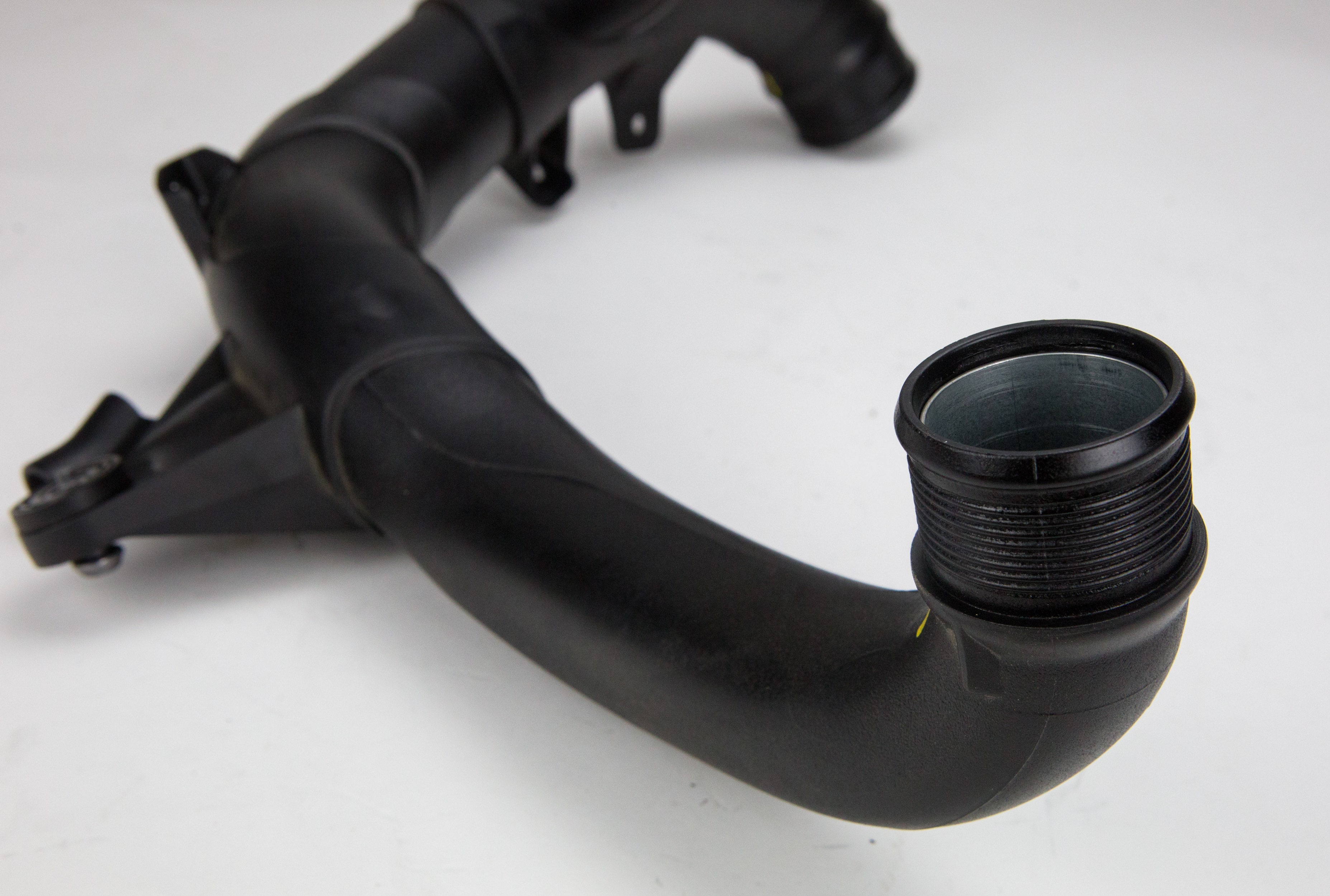
When we're talking about cooling the charged air in any forced induction vehicle, the intercooler always steals the show. To be fair, it is doing a majority of the work. No matter if you're still running a stock unit or if there's an all-aluminum core seated in the front of your car, it's the star. However, the intercooler would be nothing without the back-up band, the intercooler piping. Putting in all the effort to cool off the charged air would be useless without a method to transfer it to the intake. If the stock intercooler unit had some shortcomings, the piping was bound to end up with some flaws, too.
The safe passage for your charged air is currently left up to the combination of plastic and rubber construction that makes up the factory piping. It might seem that
As Dan inched our 6.7L F-350 onto the trailer, the October sun beat down onto the black asphalt. It wasn't even 11:00AM and the thermometer read almost 80°F; hot for October in Delaware, but perfect for transmission cooler testing. I climbed into our 6.0L F-250 follow vehicle while Dan cranked down the straps on the trailer and we set out for an afternoon filled with hills and valleys.
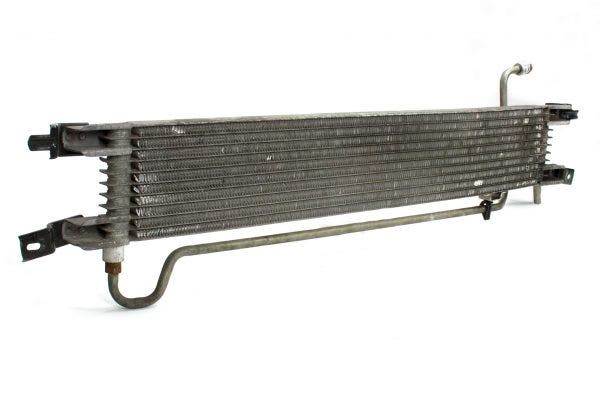
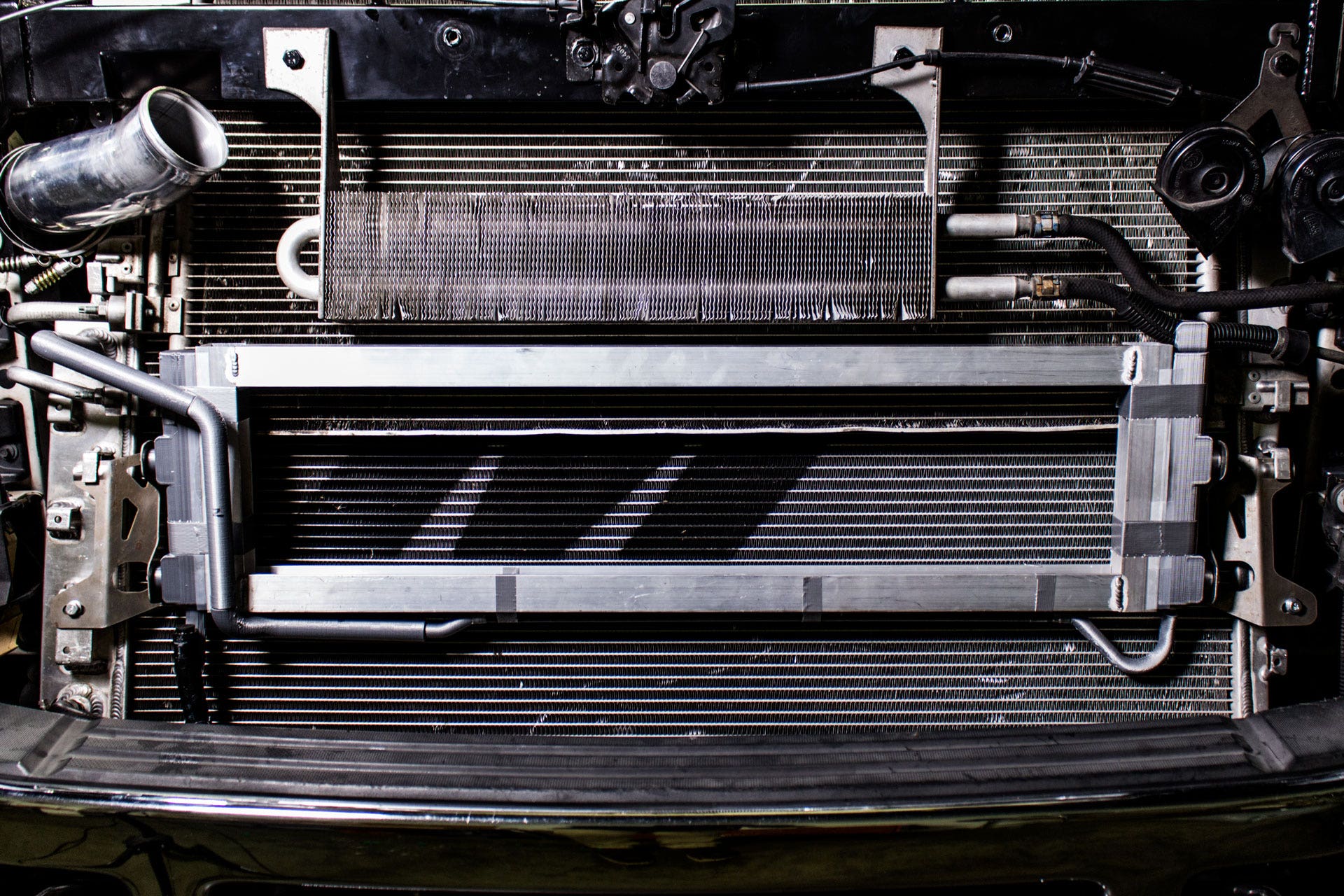
Our last look at the 6.4L Powerstroke transmission cooler revealed something a bit out of the ordinary for our blogs. Instead of highlighting all the failures of the stock transmission cooler, we shared that there really aren't many, yet. Yes, the stock 6.4L trans cooler is good enough. Good enough for a stock truck.
Honda might have changed the game in the world of hot-hatches with the latest generation of the Civic Type R, but if you recall from the stock review, the FK8's intercooling system barely met the classification of "gamechanger." We're already well on our way to elevating the Type R's charged air heat exchanger to that level, as we covered in our last post, but what about the piping? After all, the car is an ecosystem and can only be as strong as its weakest component.
Discussing the new piping requires a brief recap of our design plans for the intercooler itself. Specifically, we'll start with the revised end tank design. In the Type R's stock form, the piping was a combination of a rubber
The car is like an ecosystem. All the components under the hood of your Type R depend on each other to create the lovely symbiotic relationship resulting in speed. When one component falls behind in comparison to the others, the ecosystem as a whole lags. Our goal, as stated where we last left off, was to strengthen all the weak points and keep that turbocharged, aero-dripping, torque-vectoring machine carving corners and exceeding the expectations of FWD vehicles.
Extreme heat exposes a subtle weakness in your Type R. The excess heat will rob your CTR of its full potential on the track and the street, especially when we're talking about the intercooling system. Not only is the hotter air much harder to compress for effective forced induction, it can become a detriment to the
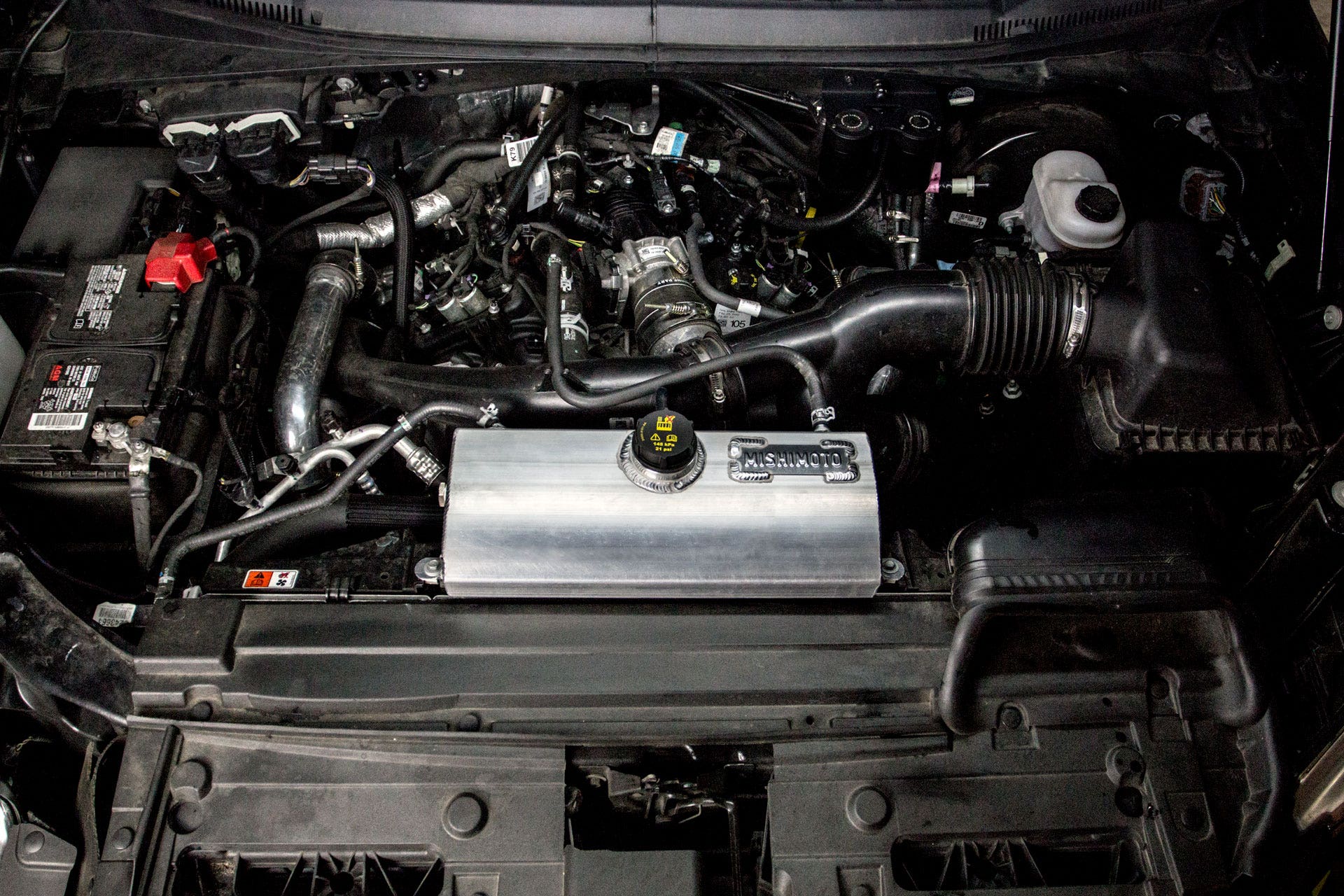
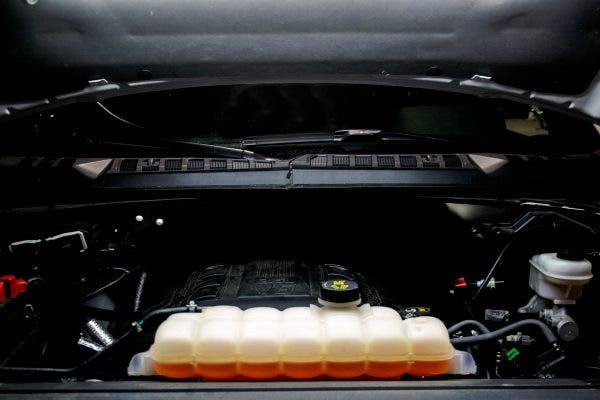
The last time we saw our 2015+ F-150, it was still equipped with the plastic bag of dinner rolls that is the stock expansion tank. Since then, we've been busy designing, prototyping, and sampling a stronger and better-looking expansion tank for all 2015+ F-150s. Before we dive into our tank and the progress we've made, let's look back at the stock tank and some of its shortcomings.
The expansion tank equipped to the 2015+ F-150 is fine enough for the average driver who spends most of their time looking at the outside of the truck or sitting in the cabin. For the enthusiast who spends hours under the hood, however, it presents a few problems. The clear plastic construction makes it easy to see how much coolant is in the tank, but it's not particularly attractive. If you've spent hours of your time washing
What started in the late 1800s as a means of increasing the power and fuel efficiency of industrial engines, turbocharging has become abundant in every corner of automotive culture. Shortly after the first oil crisis in 1973, turbocharged vehicles grew in popularity as fuel-efficient alternatives to high-displacement engines. More than 40 years later, turbocharging has produced some of the most powerful and efficient vehicles the world has ever seen. Compared to those early vehicles, modern turbocharged systems are a complex network of piping, sensors, and heat exchangers that leverage every available ounce of technology.
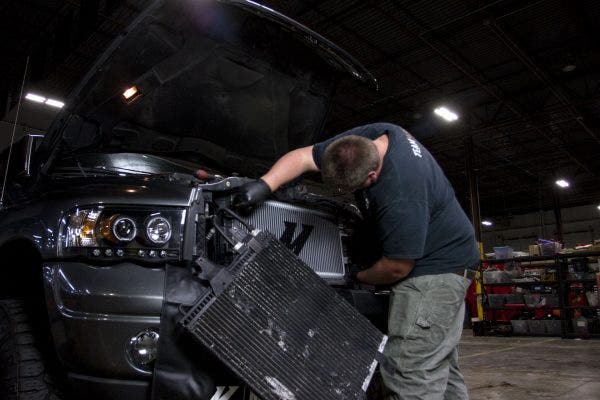
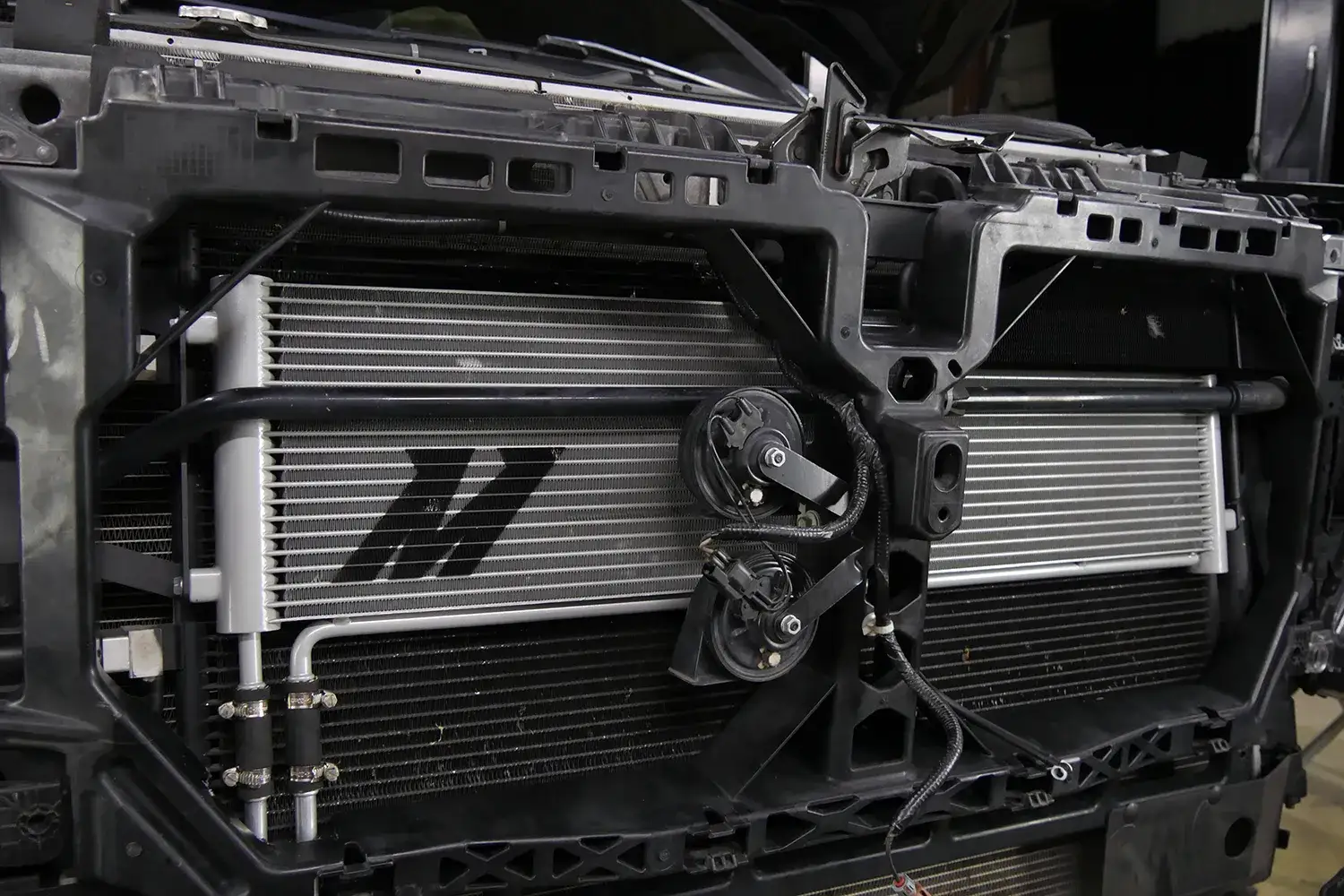
As our volunteer truck rolled into the shop, Dan began gathering his tools for a short, and ultimately rewarding, install. Removing the intercooler was second nature to him and before long, the stock transmission cooler was sitting next to its former home. Our much larger, much better-looking replacement took up residence in the truck with only two bolts. After months of work, the test fit was complete.
Before we could begin testing, there were still a few final details to be worked out. You might notice that the lines fitted to our cooler are not the stock lines, and there's a good reason for that. The stock lines for the 2003-09 Ram utilize a quick-disconnect style
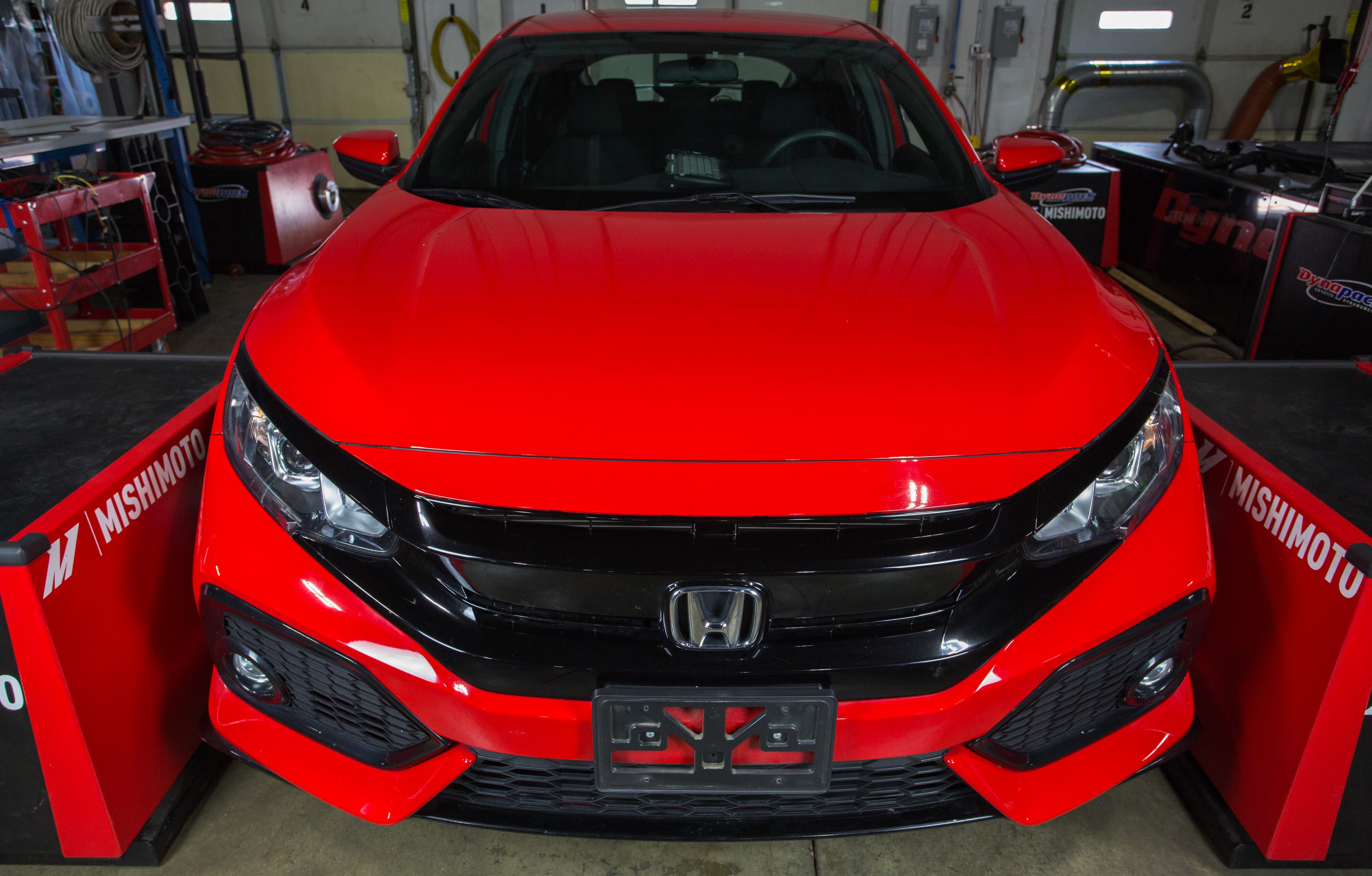
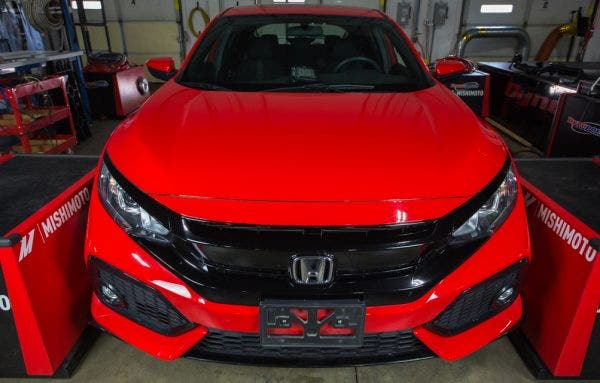
There are two things that are guaranteed to get just about everyone at Mishi HQ away from their desk for at least a few minutes. The first is as soon as something new or unique rolls into one of the bays. It doesn't matter if it's a massive diesel truck, C6 Corvette, or one of the 10th Gen Civic Hatchback Sports. Nearly everyone wants to get a close look at what we've brought in for R&D. The second thing that gets people shuffling through the shop is when that new car makes its way to our Dynapack system. Our conspicuously red FK7 was no exception. Everyone here was curious about how the scrappy L15B7 performs with a little help from Mishimoto, and I'm going to venture to guess that you are too.