
2011-2016

  1. Helping Hand - Transmission cooler R&D, Part 2 - Production Sample

    Helping Hand - Transmission cooler R&D, Part 2 - Production Sample

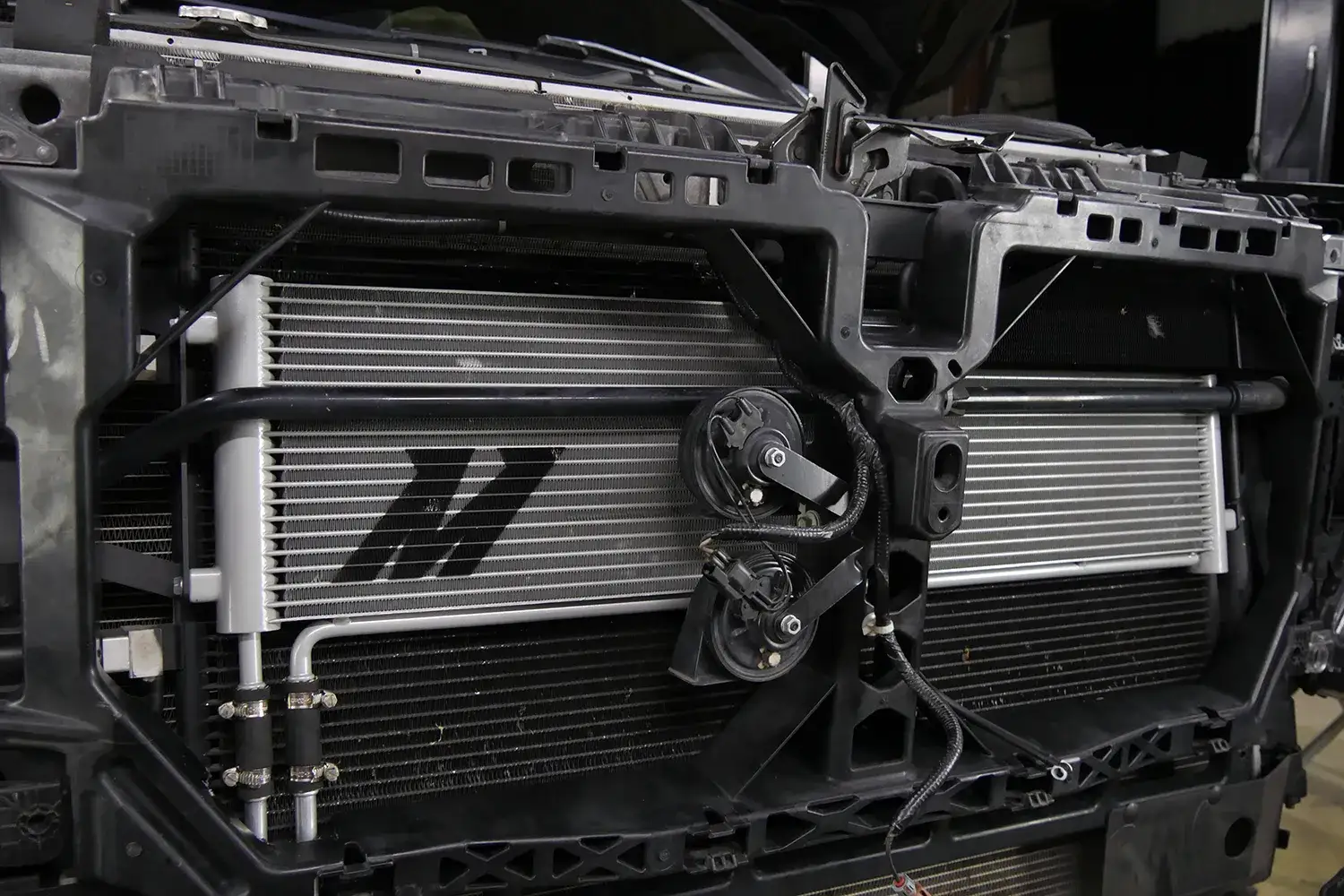
    If you remove the body from your 2011-2019 Ford F-Series Super Duty, you'll be left with less of a truck chassis and more of a factory. This assembly line is spec'd out for one product, made to order torque shipments, and you're the primary customer. Like a non-truck-based factory, the process is a group effort, with every component depending on each other to create the final product. The 6R140 TorqShift transmission mated to the 6.7L Powerstroke is the torque factory's distribution wing, and we felt that it was time for an expansion.

    It's no secret that Ford's Super Duty trucks are towering metal machines, which require massive amounts of cooling. The stock liquid-to-liquid transmission cooler provides adequate cooling in a compact package, but it has its limitations. Some Powerstrokes need extra cooling power, especially when it comes to towing or hauling a heavy payload. We already went over this concept in our last post, so let's dive into our final production-level transmission cooler.

    Continue Reading »
  2. Tough Tanks - Aluminum Secondary Degas Tank R&D - Concept to Completion

    Tough Tanks - Aluminum Secondary Degas Tank R&D - Concept to Completion

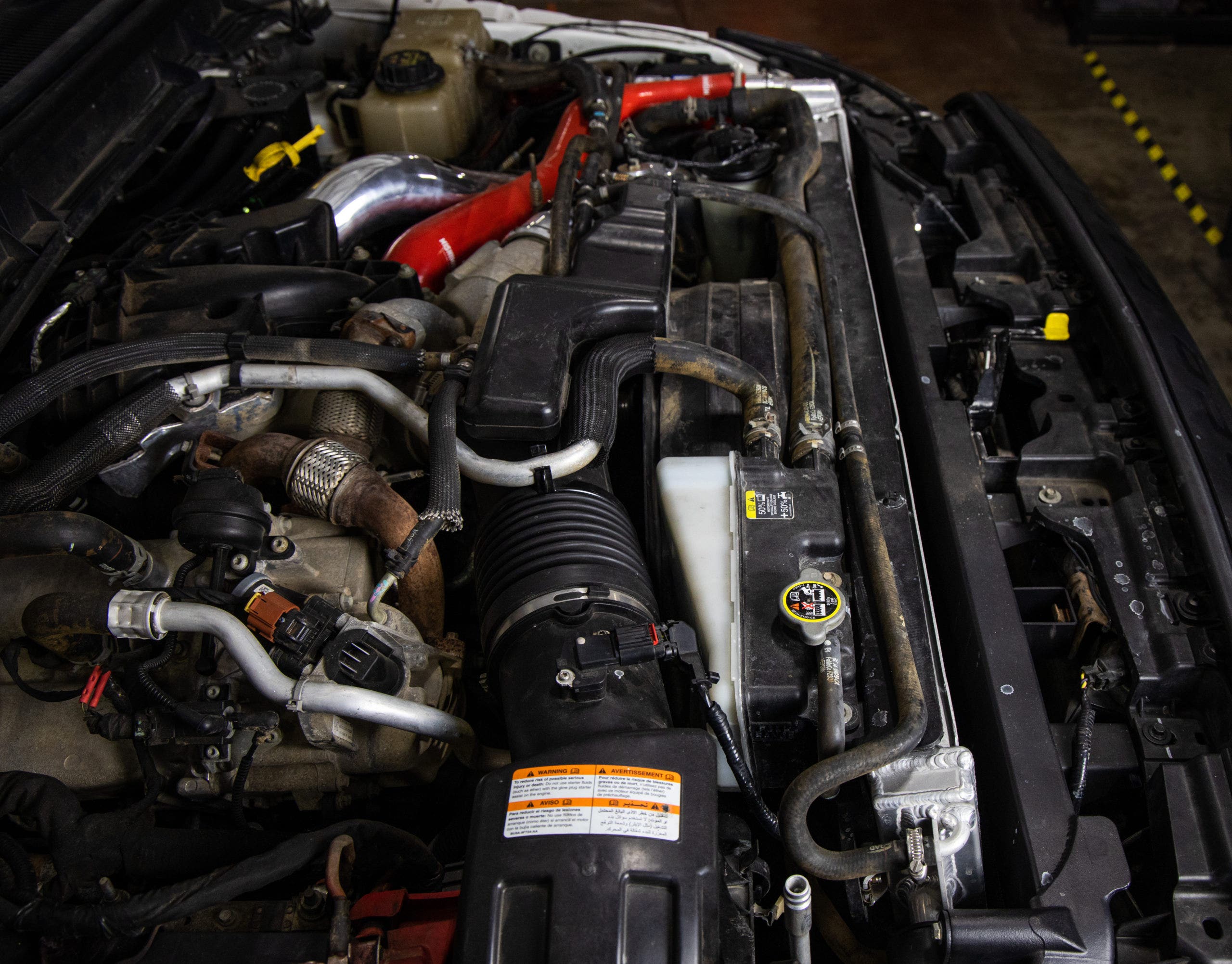
    The Ford Super Duty trucks are the definition of dependability. When it comes to utility, the mighty 6.7L Powerstroke under the hood is more than capable of towing, hauling, carrying, and just about every other activity these pickup trucks were designed to handle. While Ford intended for the Powerstroke to endure extended punishment, some of the engine bay components (specifically the secondary degas tank) might not last as long.

    Ford's 6.7L Powerstroke has two cooling systems. The first is tasked with keeping the engine internals cool, as is the function of most cooling systems. The second is employed primarily to reduce the charged air temperatures within the air-to-water intercooling system. Expansion, or degas, tanks are required on both systems and allow for hot gasses to expand off the hot coolant, aiding in the cooling process. Since we already performed an overhaul on the primary system tank, we felt that the secondary system's tank deserved the same treatment.

    Before we can complete

    Continue Reading »
  3. Protect the Lifeblood - Performance Oil Cooler R&D, Part 3 - Production Sample

    Protect the Lifeblood - Performance Oil Cooler R&D, Part 3 - Production Sample

    No matter the size, shape, or purpose of your vehicle, keeping engine oil temperatures in check is vital. However, some vehicles, like the 6.7L Powerstroke, require a little more cooling power. The stock liquid-to-liquid cooler is adequate for most Ford F-series owners. Yet, these types of coolers have their faults and limitations, which we're already improving on.

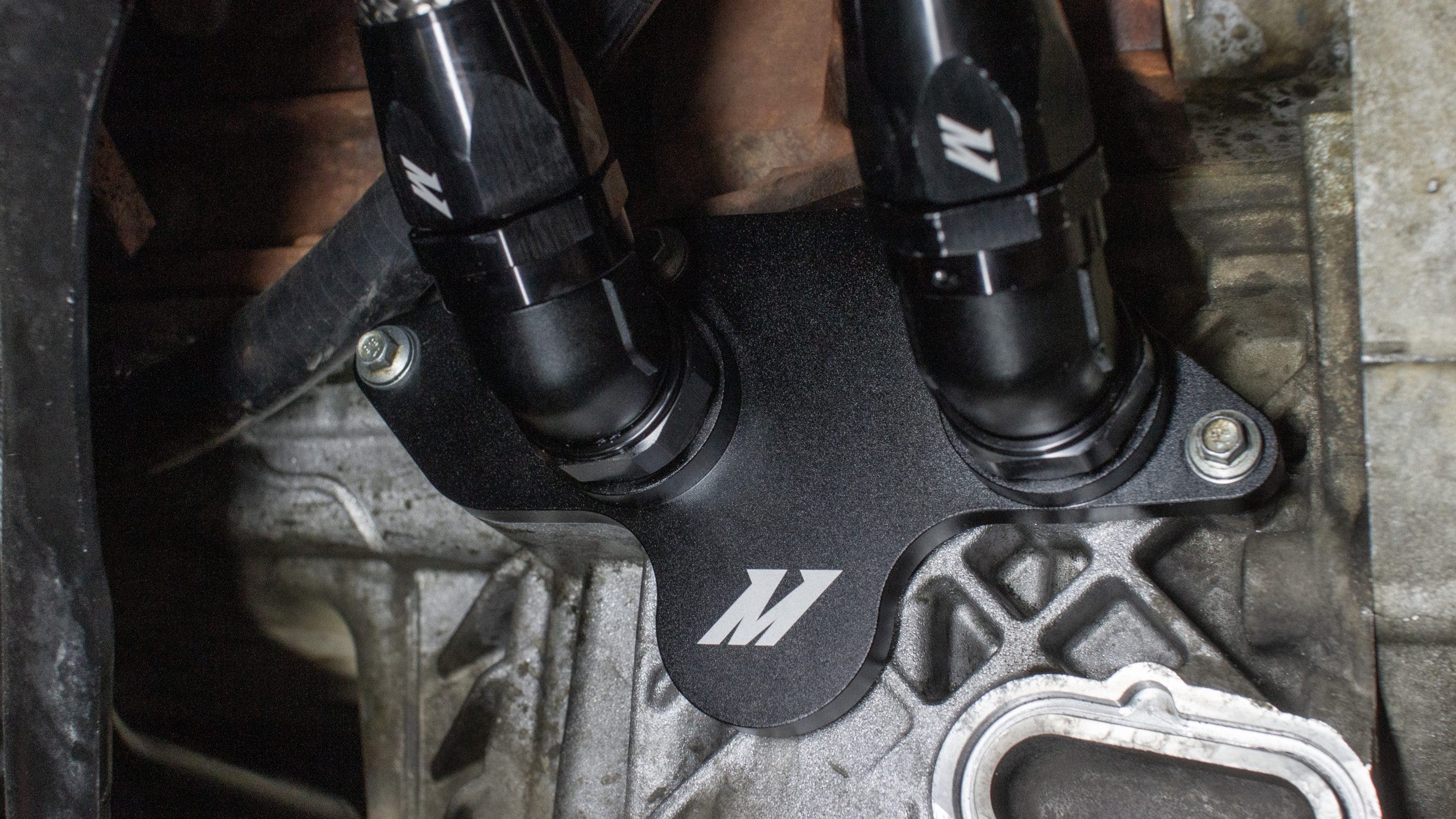
    When we last left off, we developed our prototype block-off plate to ensure a leak-free connection to our new oil cooler. Since our last post, our plate has received a makeover for an even better look.

    To further reduce the risk of leaks, we also opted for including a fresh set of O-rings with our kit to replace worn-out OEM seals.

    With the block-off plate complete, our engineer set their focus on the cooler. While we have a vast catalog of different oil coolers readily available, we took this as an opportunity to develop a new cooler for heavy-duty applications like the 6.7L Powerstroke. Before we get into details about the

    Continue Reading »
  4. Helping Hand - Transmission Cooler R&D, Part 1 - Stock Review and Design

    Helping Hand - Transmission Cooler R&D, Part 1 - Stock Review and Design

    Many believe that the key to a great truck is a powerful engine when, in reality, the transmission can make or break a truck. Your 2011+ Ford F-Series equipped with the 6.7L Powerstroke was delivered with enough torque to spin the Earth off its axis. Still, without a sturdy transmission distributing that power, you're left with gear confetti in a transmission fluid stew. In short, maintaining proper temperatures in your Powerstroke is vital to keep it towing, pulling, and hauling to its full potential. It's about time the 6.7L was due for a cooling upgrade.

    Before we can dive into the improvements, we need to understand the OEM system fully. In 2011, Ford upped the ante in the heavy-duty truck segment with the 6.7L Powerstroke, complete with all the technology to earn the Super Duty moniker, specifically the addition of an entire secondary cooling system. This system's focus is dissipating heat from the air-to-water intercooler and channels coolant through several of the vehicle's other

    Continue Reading »
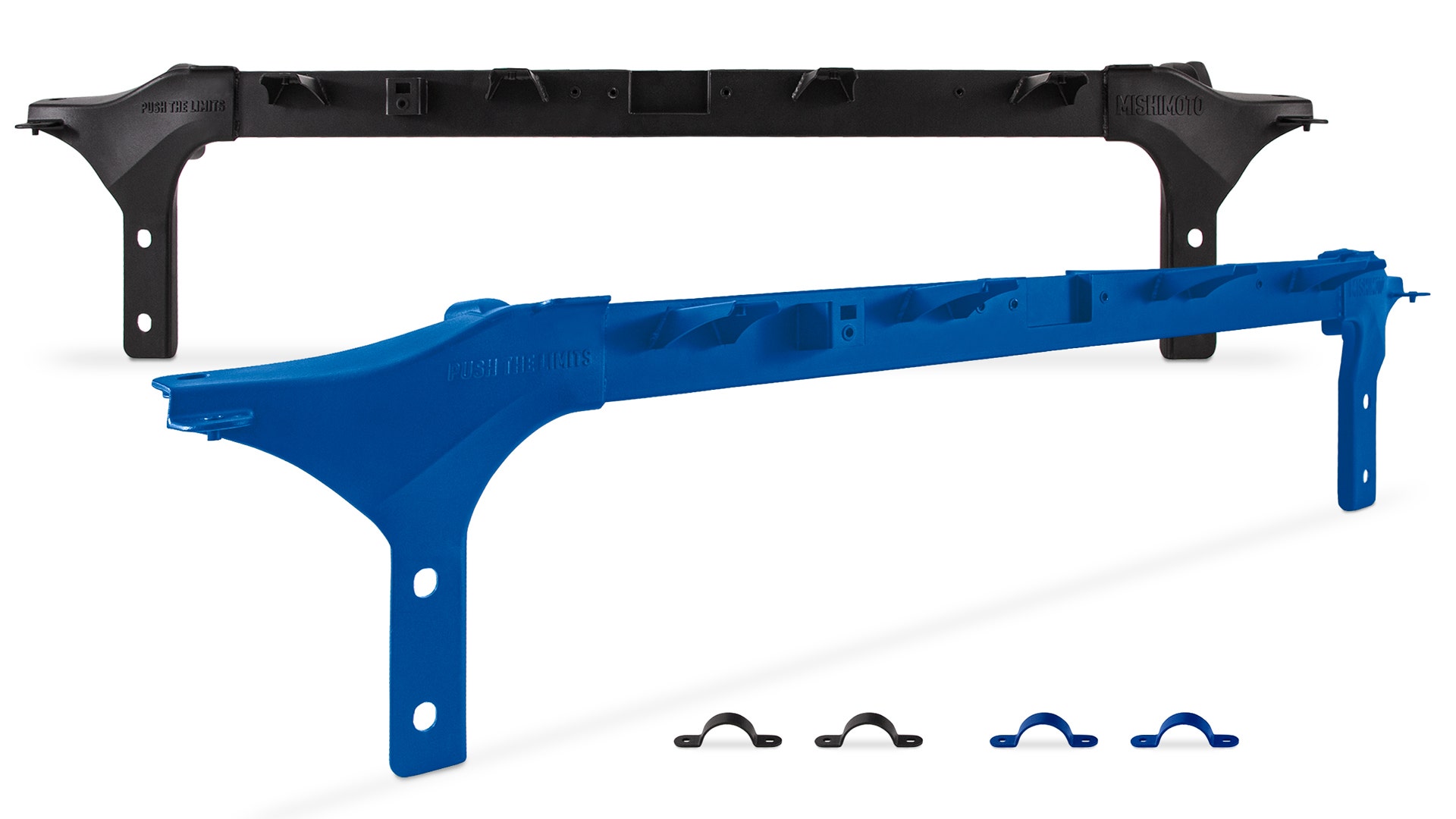
  5. Foundations of Strength - Upper Support Bar R&D: Production

    Foundations of Strength - Upper Support Bar R&D: Production

    The goal was simple: take what we learned from developing our 2008-2010 6.4L Powerstroke upper support bar and apply it to the next generation 2011-2016 6.7L Powerstroke.

    A little over two years ago we dove headfirst into developing our 2008-2010 6.4L Powerstroke upper support bar. Since then, we've been developing more products for trucks and the Powerstroke platform. With every project, two points ring clear. First, Powerstroke owners need a truck that can be powerful and reliable above all else. Second, nothing destroys a heat exchanger faster than flex. We can add as many safeguards against core stress as we want, but if the radiator core is constantly being pulled apart, something's going to give.

    The 2008-2010 Super Duty had a notoriously flexible frame that destroyed stock and aftermarket radiators alike. The frame rails of the truck, the foundation of its strength, were allowed to move independent of one another thanks to a comically flimsy upper support bar. The stock 6.4L upper

    Continue Reading »