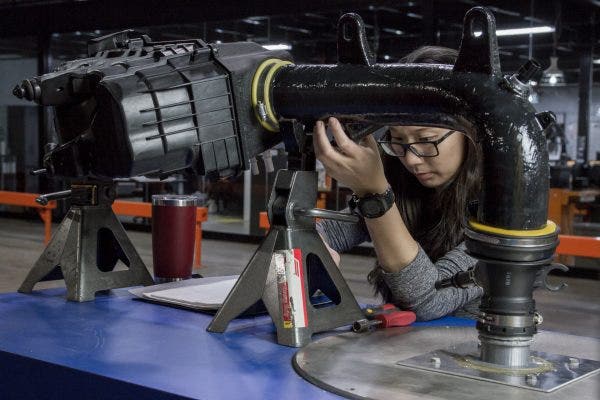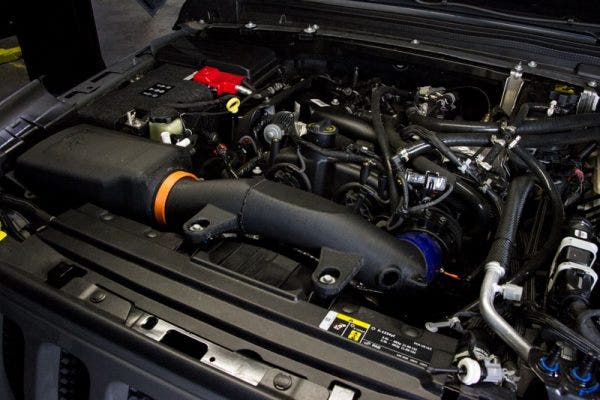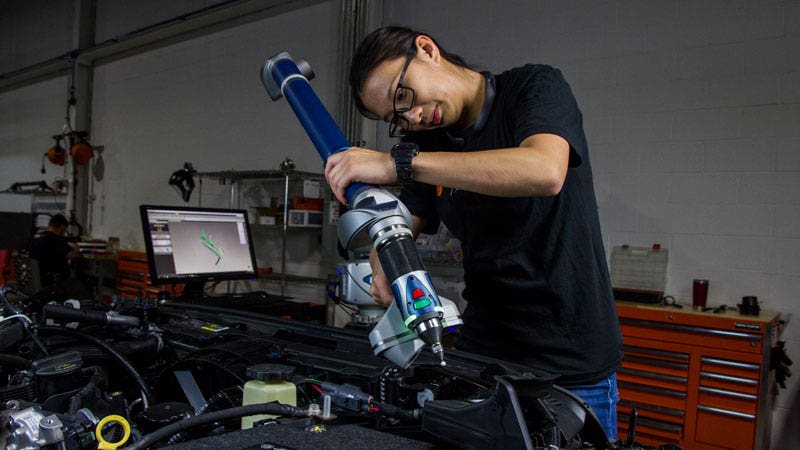

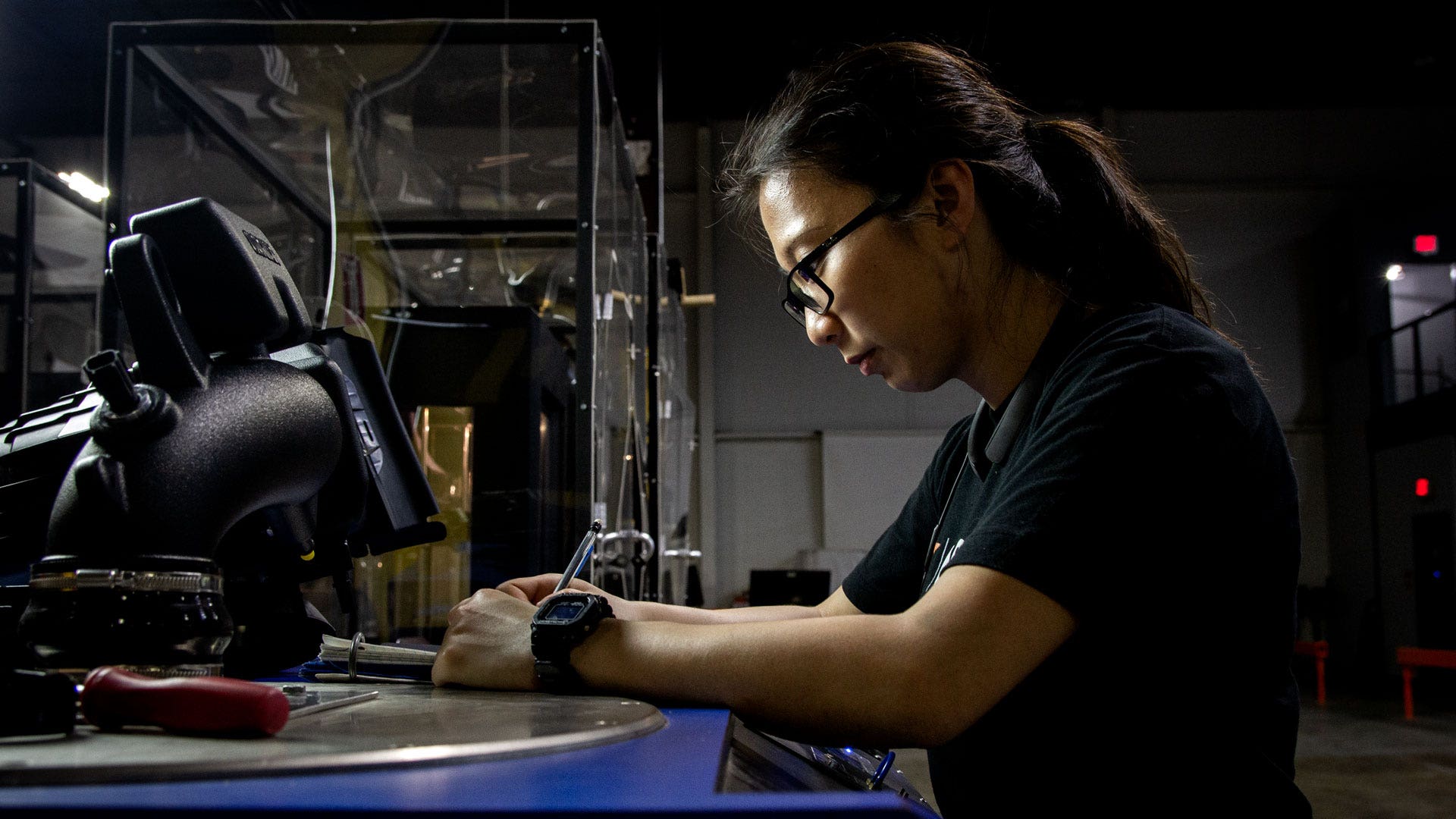
As Ye tightened the last bolt on our intake production sample, we breathed a sigh of relief. Over a year of painstaking R&D came to a close with that bolt.
In all our years designing intakes, few have been as complex or demanding as our 2018+ Jeep Wrangler JL 2.0L intake. We've fought check engine lights, tested more variations than we could have imagined, and learned a lot along the way. But the time is finally here to see the product of our efforts in its final form.
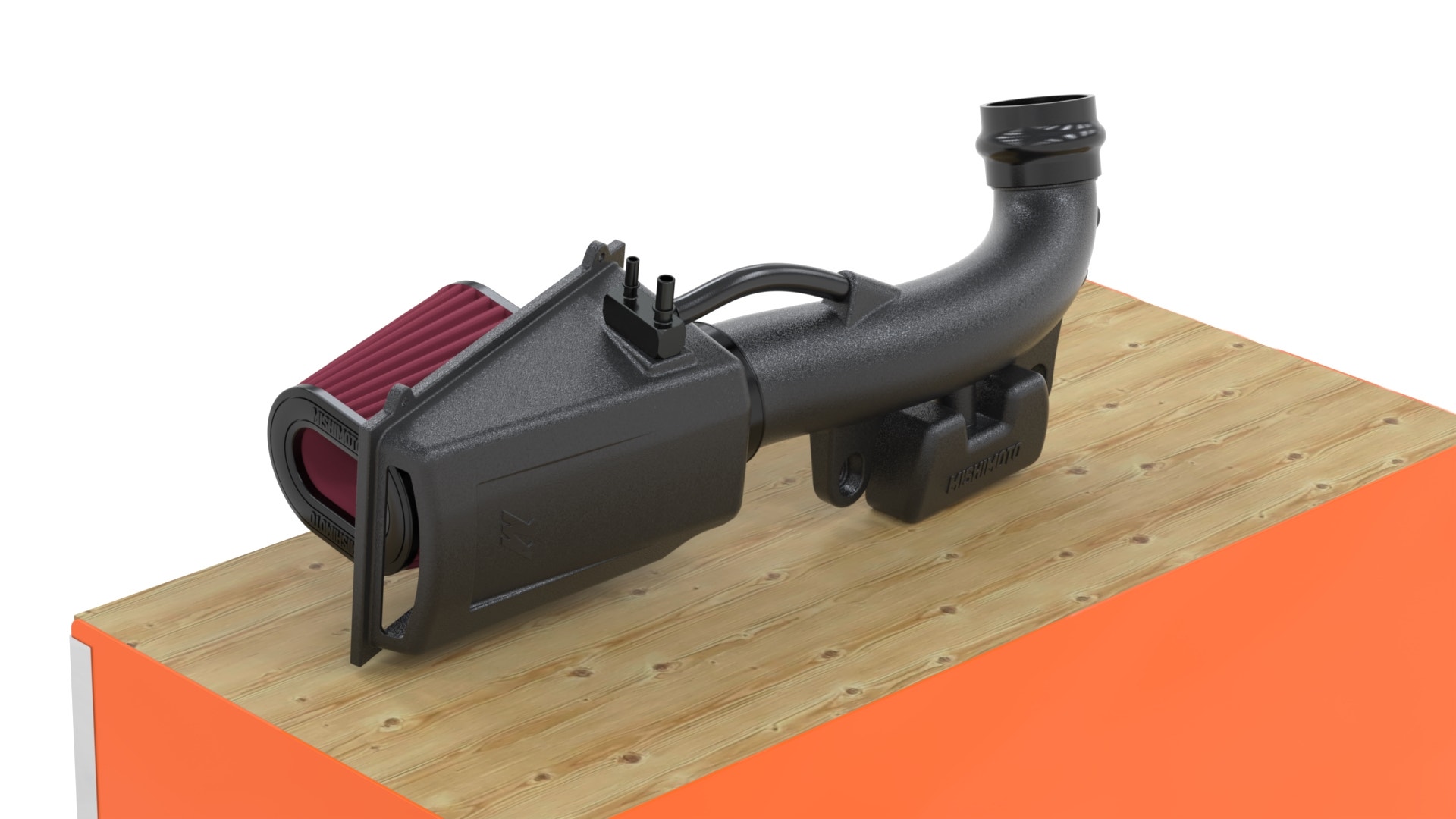
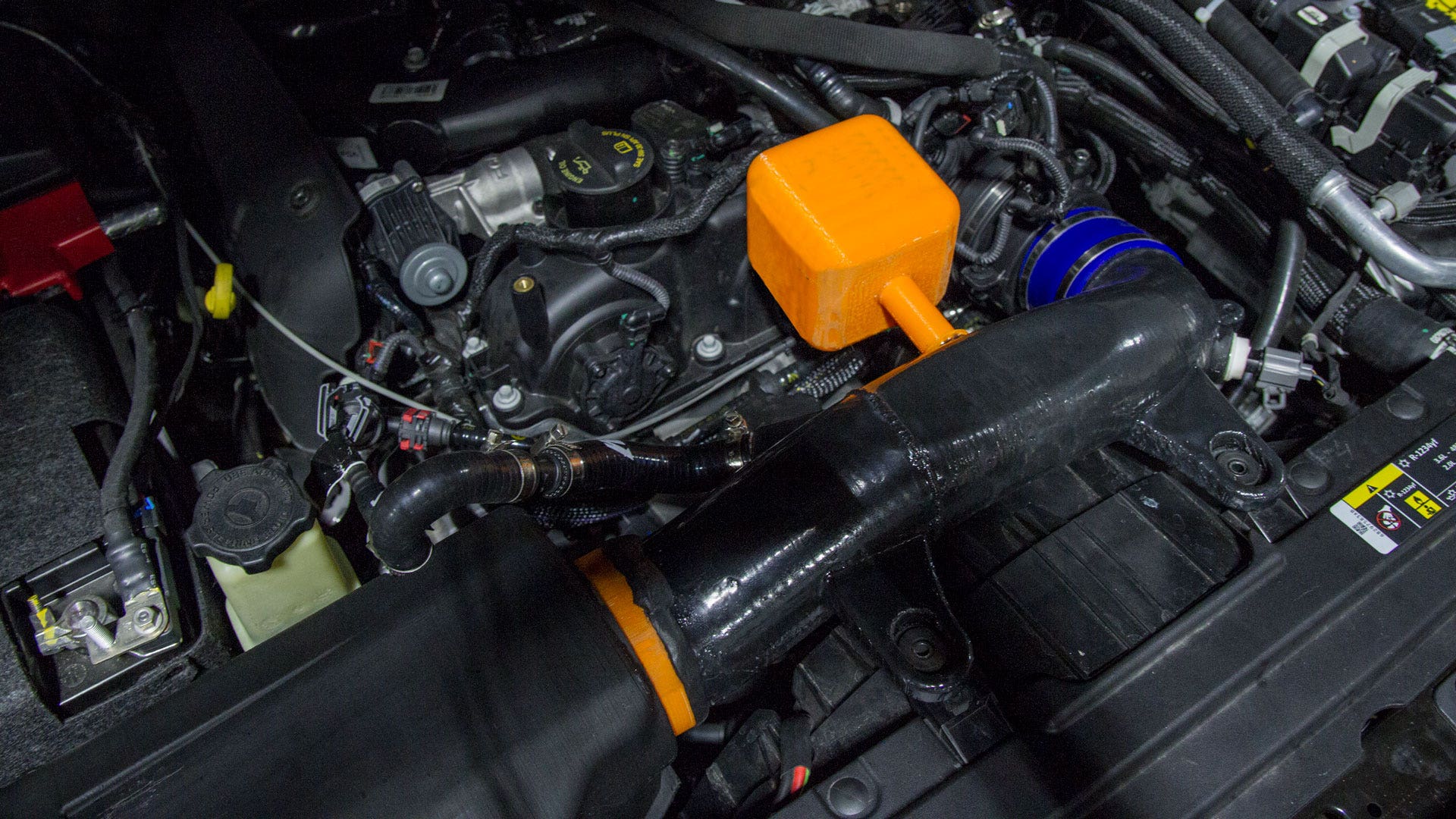
Shortly after we finished our final design from the last post, we began production on a sample to test fit. This test fit is the final (and often the most crucial) step in the R&D process. It tells us if our
The last post for our 2018+ Jeep Wrangler 2.0L JL intake ended on a low note. We had worked for months on our high-flowing intake only to find that it made the 2.0T Hurricane engine less powerful in the RPM range that counts the most. Instead of a torquey and responsive engine that made peak power at 3,250 RPM, our intake shifted peak power up to 4,500 RPM, making the JL feel laggy and sluggish. 1,250 RPM isn't a huge gap, but when most of your driving is done below 4,000 RPM, it can make a huge difference.
All was not lost, however. We looked back at the stock intake and found part of our solution. The branch resonators that we previously thought only affected the intake's sound appeared to play a much larger role in performance. A little research combined with our engineer's expertise
It's the challenges that make life exciting. Doing the same thing over and over gets tedious, but if you seek out challenges, life begins to get interesting. When we last talked about our 2018+ Jeep Wrangler 2.0L intake, things were starting to get very interesting.
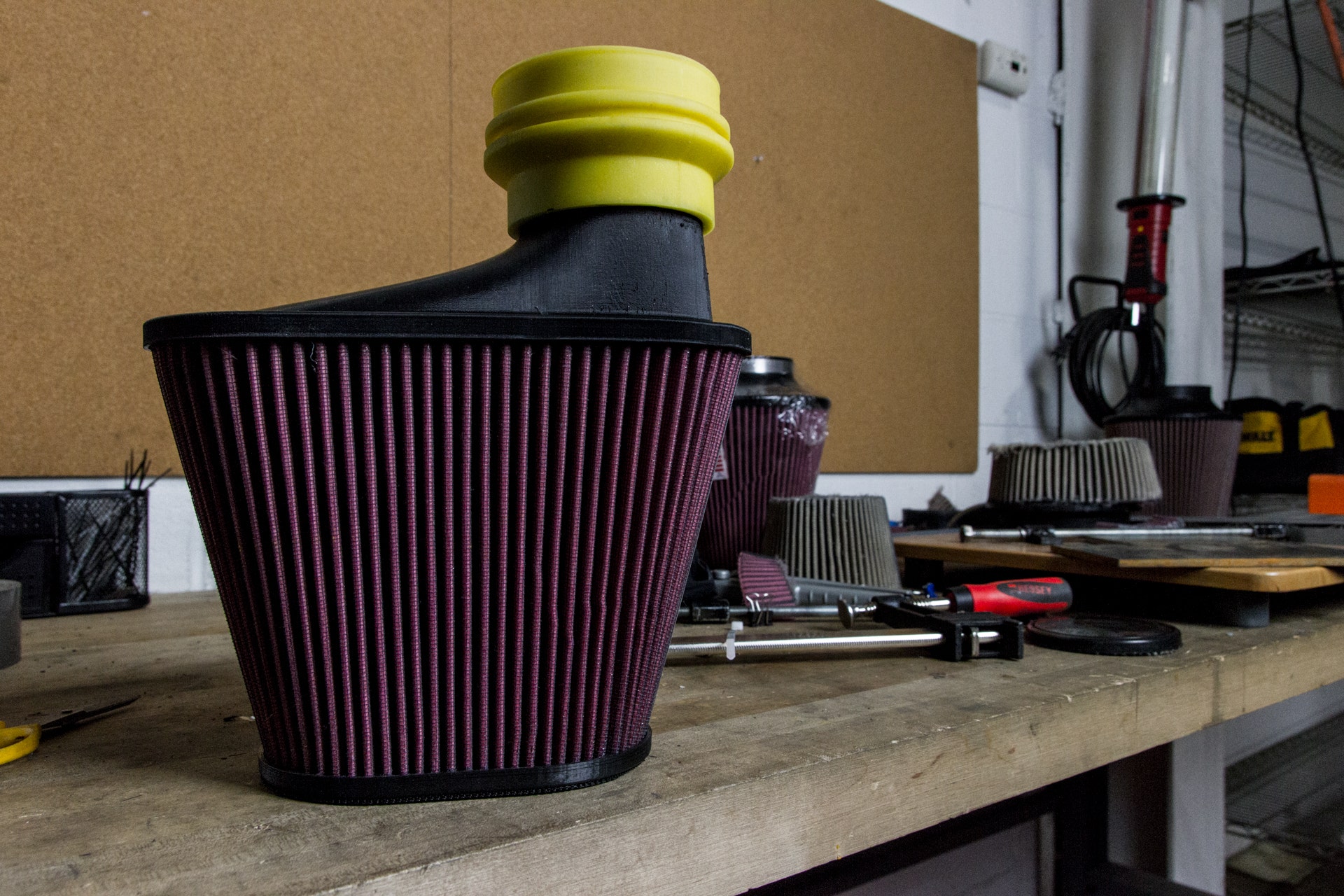
The last post saw our prototypes hitting the dyno to see if our efforts had paid off. Despite a 20% increase in flow over the stock intake, there was no massive improvement in power with either prototype. Both prototypes did let out a little more sound from the turbo, however. While the lack of power increase wasn't surprising (as explained in the last post), looking at the resulting dyno graphs did show an unexpected trend. Though peak power didn't increase or decrease compared to the stock intake, it did move later in the RPM range. Much later.
Product design, like most of life, doesn't always go as planned. We've learned to expect the unexpected and plan for unforeseen variables, but sometimes obstacles still catch us off guard. That's when we need to step back, take a deep breath, and find a way to navigate back on course. Our 2018+ JL 2.0T intake has hit one of those obstacles.
Our last post ended with few surprises. The 3D-printed prototype flowed 20% better than stock. That sizeable increase in flow was expected, given the simplified intake tube and large filter. The one small surprise was that there was no difference in flow between the prototype with the stock turbo muffler and the prototype with a straight-through adapter.
We've reached a massive milestone in the development of our 2018+ Jeep JL 2.0T intake. After months of measuring, testing, printing and waiting, we finally have a functional prototype. Although it's been a long road to get to this point, the development of this intake has also been a breath of fresh air; we're trying a lot of new techniques and exploring new R&D methods. But before we jump into what's new, let's look at what brought us to this point.
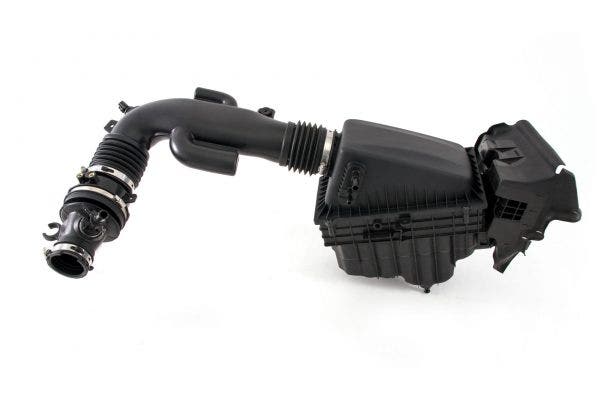
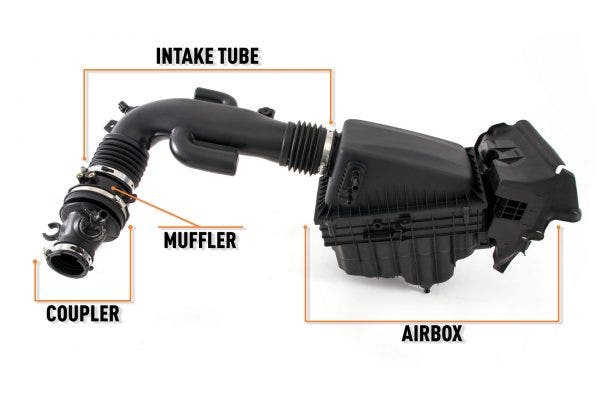
We began developing our intake by looking at the stock intake. Our engineer, Ye, filtered through all the components to find what needed to stay and what we could improve. She 3D scanned and meticulously measured every inch of the stock intake and the JL's engine bay. Later, a flow-bench test of the stock intake gave us a baseline to compare our design to. With measurements, 3D scans and testing of the stock intake complete, we began building our prototypes.
Sometimes the long road is the path we take when we want to slow down, take a deep breath, and enjoy the view. Sometimes the long road is the path we take when we want to do something well. While we love watching the development process unfold, we're taking the long road to our 2018+ Jeep Wrangler JL 2.0T performance intake for the latter reason.
"Quality over speed" is our motto for many of our projects, but in developing complex intakes like the one found on our JL's 2.0L Hurricane engine, it's a requirement. Rushing through a project like this often means fighting check engine lights and poor performance. In the end, rushing takes longer than doing it right the first time.
We've spent the last four months analyzing every detail of the stock Hurricane intake.
We often say that engines are just air pumps. The more air you can get in and out of them, the more efficient they are, and the more power they make. While that's true for any engine at its core, computers and electronic controls tend to complicate the equation. As cars and trucks become more complex and efficient, the computers controlling them have a hand in almost every aspect of how they run. Most of those controls focus on how the engine breathes in through the intake and out through the exhaust.
So, what does that mean for our 2018+ JL 2.0T intake? It means that "good enough" isn't an option. The sensors attached to the Hurricane's stock intake and its complex design require precision along every step of development. It may seem like we're dragging our feet by looking so closely at the stock intake, but every feature of every component plays a major role in how the intake functions.
As the weather here in Delaware continues to get colder, I've resigned myself to only leaving the house to avoid starvation or getting fired (and it's not even really cold here). As much as I hate the cold, I'm reminded every morning that my turbocharged car loves it. The only thing better than cold, dense air for a turbocharged engine is more cold, dense air. Once the winter months turn into spring and summer, more of us will be out enjoying the warm air, but your 2.0T Jeep JL will be longing for the cold of winter. At Mishimoto, we've been working to give your Jeep the cool air it needs to perform its best all year long.
The first post on our 2018+ JL 2.0L turbo intake focused on every aspect of the stock intake system. If you missed that post, I suggest
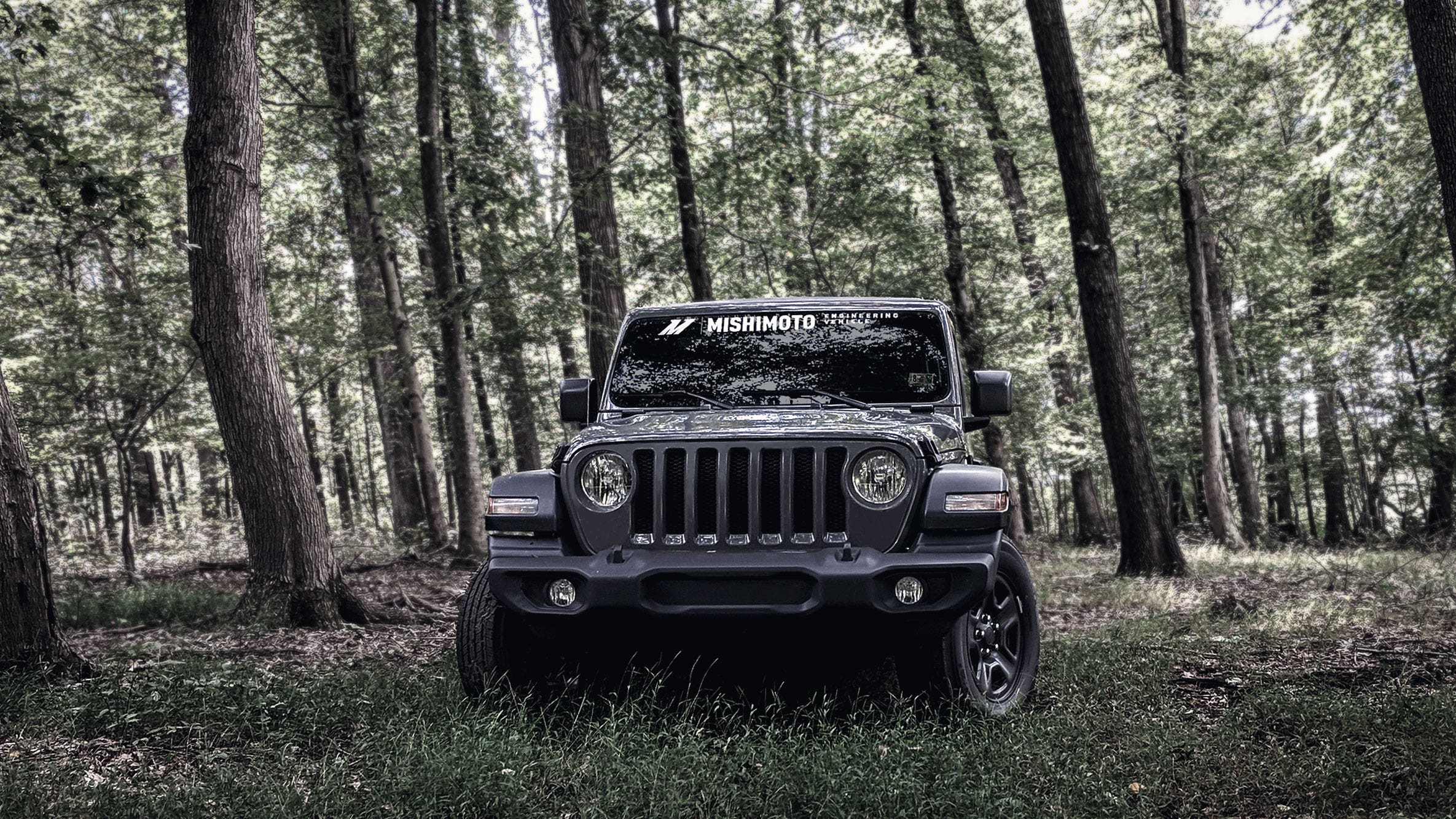
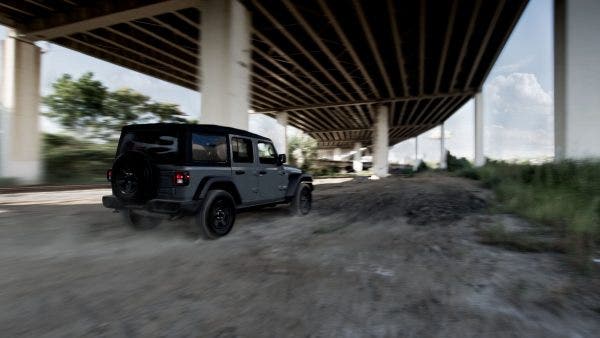
There's something about hitting the road, leaving the smog and haze of the city, and breathing in the crisp, fresh air of the wilderness that brings a person to life. The Jeep Wrangler JL, like all Wranglers before it, was built to take you there. To let you escape those everyday boundaries and breathe fresh air. And for the JL equipped with the new 2.0L turbo engine, breathing fresh air is more important than ever.
While you're taking a deep breath in and enjoying the view, your Wrangler's two-liter engine is using that same air to drive you both forward. It breathes air in through its intake, compresses it with the turbocharger and even more in the cylinder, ignites it with fuel and a spark, then breathes out through its exhaust. In this never-ending cycle, air is as vital to your Jeep as it is to your lungs. And it all starts with the intake system.