

Honda Civic Catch Can 2016+

  1. Prototype Fitment - Catch Can R&D, Part 2

    Prototype Fitment - Catch Can R&D, Part 2

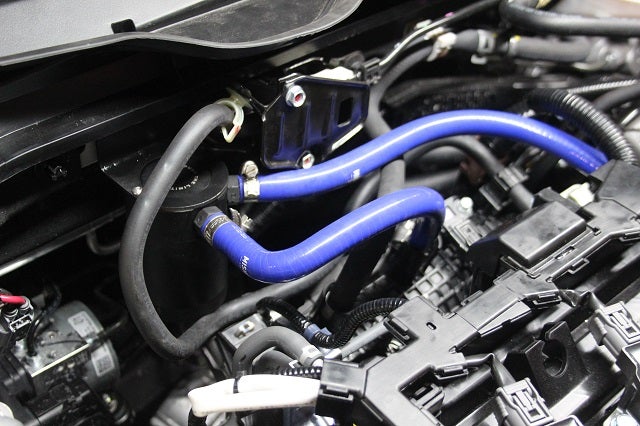
    We are moving fast with this project! We have now talked about the differences and significance between two types of fuel injection, evaluated the stock system and began designing a bracket with our neat waterjet. We have also dived into the specifics of how our catch can works. Now, we have a working prototype that we have mounted onto our loaner Civic.

    We decided to go ahead and use the open space right behind passenger side of the motor that would conveniently place our catch can around the PCV ports. This will lighten any complexities in the hose routing.

    IMG_3943r
    Area where we will place prototype Civic catch can

    Area where we will place prototype Civic catch can
    Area where we will place prototype Civic catch can

    The bracket has been fabricated so all we needed to do was give it a little bit of paint to match the color of our can.

    2016 Honda Civic parts
    2016 Honda Civic parts

    Our prototype design will have the bracket attach directly behind the pictured bracket that is holding an oil line. Check it out installed below!

    Prototype 2016 Honda Civic parts installed
    Prototype 2016 Honda Civic parts installed
    Continue Reading »
  2. Design and Fabrication - Catch Can R&D, Part 1

    Design and Fabrication - Catch Can R&D, Part 1

    We have been searching long and hard to get our hands on the new Honda Civic, and the search is now over! A brand new 2016+ Honda Civic equipped with the 1.5L Turbo engine has finally reached our R&D facility, thanks to a very generous owner. One of our first targeted projects is an oil catch can. There are many benefits to equipping a vehicle with a catch can. Modern fuel injection is accomplished by either port or direct injection, the latter used by this Civic. Let's briefly talk about the differences between the two.

    Port vs. Direct Injection

    With port injection, the fuel injectors are situated right inside the intake manifold, producing a fuel stream to mix with the air. That air/fuel mixture is shot straight into the combustion chamber through a valve. As the fuel passes through the valve area, much of the debris gets cleaned off - because as we all know, gasoline is an excellent solvent.

    Direct injection, however, is the more common approach for new engines. This system places the

    Continue Reading »